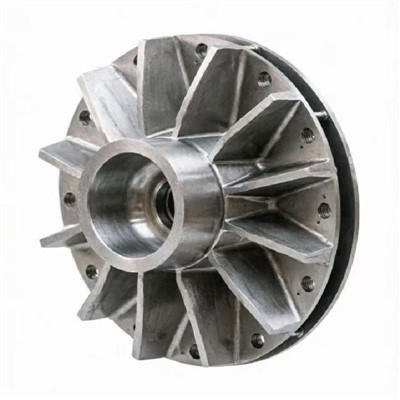
Valve castings are integral components in a wide range of industries, from oil and gas to water treatment and manufacturing. As a supplier of valve castings, I’ve had the privilege of working closely with these essential parts and understanding their mechanical properties. In this blog, I’ll delve into the key mechanical properties of valve castings, why they matter, and how they impact the performance of valves in various applications. Valve Castings
1. Strength
Strength is one of the most critical mechanical properties of valve castings. It refers to the ability of the casting to withstand applied loads without failure. There are different types of strength that are relevant to valve castings:
Tensile Strength
Tensile strength is the maximum stress a material can withstand while being pulled or stretched. In the context of valve castings, high tensile strength is crucial, especially for valves that are used in high – pressure systems. For example, in oil and gas pipelines, valves need to withstand the high pressure of the flowing fluids. A valve casting with low tensile strength may crack or rupture under these high – pressure conditions, leading to leaks and potentially dangerous situations.
Compressive Strength
Compressive strength is the ability of a material to resist being crushed or compressed. Valves in some applications, such as those in hydraulic systems, may be subjected to high compressive forces. For instance, when a valve is used to control the flow of a high – pressure hydraulic fluid, the casting must be able to withstand the compressive forces exerted by the fluid without deforming.
Yield Strength
Yield strength is the stress at which a material begins to deform plastically. It is an important property because it indicates the limit beyond which the valve casting will no longer return to its original shape after the load is removed. In valve design, it is essential to ensure that the operating stresses are below the yield strength of the casting to prevent permanent deformation, which could affect the valve’s sealing ability and overall performance.
2. Hardness
Hardness is a measure of a material’s resistance to local deformation, such as scratching, indentation, or wear. In valve castings, hardness plays a vital role in several aspects:
Wear Resistance
Valves often operate in environments where they are exposed to abrasive materials, such as sand particles in water or gas streams. A hard valve casting can resist wear better than a soft one. For example, in mining applications, valves used in slurry pipelines are constantly in contact with abrasive slurries. A valve casting with high hardness will have a longer service life and require less frequent replacement, reducing maintenance costs and downtime.
Sealing Performance
The hardness of the valve casting also affects its sealing performance. A hard surface can better maintain the integrity of the seal between the valve components, such as the valve seat and the valve disc. This is particularly important in applications where leakage cannot be tolerated, such as in chemical processing plants where the leakage of hazardous chemicals can have serious consequences.
3. Ductility
Ductility is the ability of a material to deform plastically under tensile stress without fracturing. In valve castings, ductility is an important property for several reasons:
Machinability
Ductile valve castings are easier to machine. During the manufacturing process, valves often need to be machined to achieve the required dimensions and surface finish. A ductile material can be cut, drilled, and shaped more easily, reducing the machining time and cost.
Resistance to Shock and Vibration
Valves may be subjected to shock and vibration during operation. A ductile valve casting can absorb the energy from these impacts without cracking. For example, in power generation plants, valves are exposed to vibrations from the operation of turbines and pumps. A ductile valve casting can better withstand these vibrations and maintain its structural integrity.
4. Fatigue Resistance
Fatigue resistance is the ability of a material to withstand repeated loading and unloading cycles without failure. Valves in many applications are subjected to cyclic loads, such as the opening and closing of the valve over time.
Valve Lifespan
A valve casting with high fatigue resistance will have a longer lifespan. In applications where valves are frequently operated, such as in industrial automation systems, fatigue failure can be a significant problem. By using valve castings with good fatigue resistance, the frequency of valve replacement can be reduced, leading to cost savings and improved system reliability.
Safety
In critical applications, such as in nuclear power plants or aerospace systems, fatigue failure of a valve can have catastrophic consequences. Therefore, ensuring high fatigue resistance in valve castings is essential for maintaining safety.
5. Corrosion Resistance
Corrosion is a major concern in valve applications, especially in environments where the valves are exposed to corrosive substances, such as acids, alkalis, and saltwater.
Material Selection
The choice of material for valve castings is crucial for corrosion resistance. For example, stainless steel is a popular choice for valve castings in many applications because of its excellent corrosion resistance. Other materials, such as nickel – based alloys, may be used in more severe corrosive environments.
Surface Treatment
In addition to material selection, surface treatment can also improve the corrosion resistance of valve castings. Coating the valve casting with a corrosion – resistant layer, such as a polymer coating or a ceramic coating, can provide an additional barrier against corrosion.
6. Impact of Mechanical Properties on Valve Design and Application
The mechanical properties of valve castings have a significant impact on valve design and application.
Design Considerations
Valve designers need to consider the mechanical properties of the casting materials when designing valves. For example, if a valve is to be used in a high – pressure application, the designer will choose a material with high tensile and compressive strength. If the valve is to be used in a corrosive environment, the designer will select a material with good corrosion resistance.
Application – Specific Requirements
Different applications have different requirements for valve castings. In the food and beverage industry, valves need to be made of materials that are non – toxic and can withstand frequent cleaning and sterilization. In the automotive industry, valves need to be lightweight and have good fatigue resistance to meet the requirements of high – speed operation.
7. Quality Control in Valve Castings
As a valve casting supplier, ensuring the quality of our products is of utmost importance. We implement a comprehensive quality control system to ensure that our valve castings meet the required mechanical properties.
Material Testing
We conduct extensive material testing on the raw materials used for valve castings. This includes chemical analysis to ensure the correct composition of the material and mechanical testing to measure properties such as tensile strength, hardness, and ductility.
Casting Process Control
The casting process also plays a crucial role in determining the mechanical properties of the valve castings. We closely monitor the casting process parameters, such as temperature, pressure, and cooling rate, to ensure consistent quality.
Final Inspection
Before the valve castings are shipped to our customers, we conduct a final inspection to check for any defects, such as cracks, porosity, or dimensional inaccuracies. Only the valve castings that meet our strict quality standards are released for sale.
Conclusion
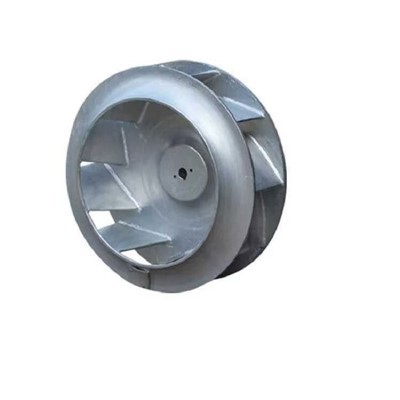
The mechanical properties of valve castings are essential for their performance and reliability in various applications. As a valve casting supplier, we understand the importance of these properties and strive to provide high – quality valve castings that meet the specific requirements of our customers. Whether you need valves for high – pressure systems, corrosive environments, or other applications, we have the expertise and resources to supply you with the right valve castings.
Valve Castings If you are interested in purchasing valve castings or have any questions about our products, please feel free to contact us for a detailed discussion. We are committed to providing you with the best solutions and services.
References
- ASM Handbook Volume 15: Casting. ASM International.
- Valve Handbook, 4th Edition. Robert W. McKetta.
- ASTM Standards for Cast Metals and Alloys. ASTM International.
Shandong Shunye Stainless Steel Co., Ltd.
Shandong Shunye Stainless Steel Co., Ltd. is one of the most professional valve castings manufacturers and suppliers in China, also supports customized service. Welcome to buy bulk cheap valve castings made in China here and get quotation from our factory. For price consultation, contact us.
Address: Shandong Province, Binzhou City, Wudi County, Liubao Town, Zhangdong Road, Duliucun Village
E-mail: sales@wdshunye.com
WebSite: https://www.shunyecasting.com/
