Hey there, folks! I’m a supplier of automotive grade transistors, and today I wanna chat about the limitations of these little guys. Automotive Grade Transistors
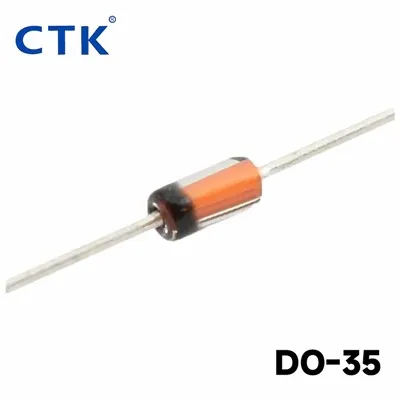
First off, let’s understand what automotive grade transistors are. They’re transistors specifically designed to work in the harsh environment of vehicles. You know, cars are no walk in the park. They face extreme temperatures, from the scorching heat of summer to the freezing cold of winter. There’s also a lot of vibration, electrical noise, and exposure to all sorts of chemicals. So, these transistors have to be tough.
One of the major limitations is temperature. Automotive grade transistors are built to handle a wide temperature range, but there’s still a limit. In really hot conditions, like when you’re stuck in traffic on a sweltering day, the performance of the transistors can degrade. The heat can cause the electrical properties of the semiconductor material inside the transistor to change. For example, the carrier mobility, which is how easily electrons can move through the material, can decrease. This means that the transistor might not be able to switch as fast or handle as much current as it’s supposed to.
On the flip side, in extremely cold temperatures, the transistor’s performance can also take a hit. The material can become more brittle, and the electrical resistance can increase. This can lead to problems like slower switching speeds and higher power consumption. And if the temperature drops too low, the transistor might even stop working altogether. It’s like your car battery in winter – it just doesn’t perform as well when it’s cold.
Another limitation is the issue of radiation. Vehicles are exposed to various forms of radiation, including cosmic rays. Radiation can cause single – event effects (SEE) in transistors. These effects can be as minor as a single bit flip in a digital circuit, which might cause a temporary glitch. But in more severe cases, it can lead to permanent damage to the transistor. For example, a single high – energy particle hitting the transistor can create a large number of electron – hole pairs, which can disrupt the normal operation of the device. This is a big concern, especially for modern cars that rely more and more on electronic systems for safety and performance.
Vibration is also a big factor. Cars are constantly vibrating, whether it’s from the engine running, the wheels hitting bumps on the road, or the wind resistance. This vibration can cause mechanical stress on the transistors. Over time, this stress can lead to cracks in the packaging or the internal connections of the transistor. Once these cracks form, it can lead to electrical shorts or open circuits, which means the transistor won’t work properly. And replacing a faulty transistor in a car can be a real pain, both in terms of cost and time.
Electrical noise is yet another limitation. In a car, there are a lot of electrical components all working at the same time. These components can generate electrical noise, which can interfere with the operation of the transistors. For example, the ignition system in a car can produce high – frequency noise. This noise can cause false triggering of the transistors, leading to incorrect operation of the circuits they’re part of. And in safety – critical systems, like the anti – lock braking system (ABS), even a small glitch can have serious consequences.
The cost is also a limitation. Designing and manufacturing automotive grade transistors is more expensive than regular transistors. They have to go through more rigorous testing and quality control processes to ensure they can withstand the harsh automotive environment. This means that the price of these transistors is higher, which can increase the overall cost of the vehicle. And in a competitive automotive market, every dollar counts.
Now, let’s talk about the limitations in terms of performance. Automotive grade transistors are often designed to be more reliable rather than high – performance. They might not have the same switching speeds or power handling capabilities as some of the high – end transistors used in other applications, like computer processors. This is because the focus is on durability and stability in the automotive environment. So, if you’re looking for super – fast switching or extremely high power handling, automotive grade transistors might not be the best choice.
But hey, don’t get me wrong. Despite these limitations, automotive grade transistors are still crucial for modern cars. They play a vital role in everything from the engine control unit (ECU) to the entertainment system. And as technology advances, we’re constantly working on improving these transistors to overcome these limitations.
We’re developing new materials and manufacturing processes to make the transistors more resistant to temperature, radiation, and vibration. For example, we’re using advanced packaging techniques that can better protect the transistors from mechanical stress. And we’re also working on improving the electrical design to make the transistors more immune to electrical noise.
So, if you’re in the automotive industry and you’re looking for high – quality automotive grade transistors, I’d love to have a chat with you. Whether you’re facing issues with temperature, radiation, or any other limitations, we can work together to find the right solution for your needs. Just reach out to me, and we can start a discussion about how our transistors can fit into your products.
ESD References:
- "Semiconductor Devices for Automotive Applications" by various industry experts
- "Automotive Electronics Handbook" for general knowledge on automotive electronic components
- Research papers on automotive grade transistor reliability and performance from leading semiconductor research institutions
Tongke Electronic Co., Ltd
Tongke Electronic Co., Ltd. is one of the most experienced automotive grade transistors manufacturers and suppliers in China, featured by quality products and low price. Please rest assured to wholesale advanced automotive grade transistors made in China here from our factory. Contact us for pricelist.
Address: No.3,Chayuan Rd, Street 3, AilingKan, Dalingshan, Dongguan, Guangdong, China.
E-mail: jack@ctk-elec.com
WebSite: https://www.ctkchip.com/
