If you’ve ever stood in the feminine care aisle, staring at rows of menstrual pads and wondering why some have a “fresh scent” printed on the packaging while others are labeled “unscented,” you’re not alone. As someone who’s worked in the feminine care supply space for over a decade—talking to hundreds of retailers, midwives, and most importantly, the people who use these products—I’ve had countless conversations about that faint fragrance vs. zero-fragrance choice. It’s not just a marketing gimmick, and the difference isn’t always what you’d expect. Let’s break this down, from the lab to the everyday user, so you can make the call that works best for your body. Feminine Care
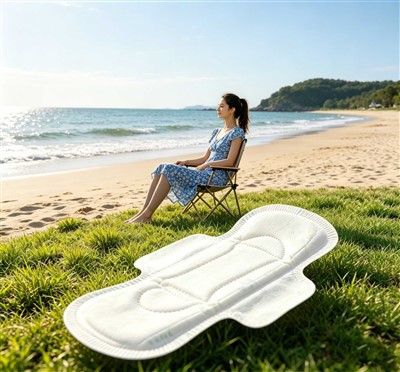
First, let’s get one thing straight: menstrual flow has a mild, metallic scent all on its own. That’s totally normal, a mix of blood, vaginal secretions, and bacteria that live naturally in the vagina. A lot of people notice that scent more when they’re stressed, sweating a little, or wearing a pad for longer than recommended (pro tip: change every 4-6 hours, no exceptions). For years, feminine care brands leaned into that natural discomfort, adding perfume to pads to mask that scent, making users feel cleaner and more confident throughout the day. But over the last 15 years, as more people have spoken up about sensitivity and irritation, the conversation around that added fragrance has shifted a lot—and for good reason.
Let’s start with what’s actually in a perfumed menstrual pad. Most of these scents aren’t “natural” like the lavender in your hand soap—they’re synthetic fragrance blends, often made of dozens of unlisted chemicals. The International Fragrance Association (IFRA) sets safety standards for fragrance ingredients, but the catch is that brands don’t have to disclose every single component of a scent on their product labels. That’s because “fragrance” is considered a trade secret, so a pad labeled “lavender fresh” could have anywhere from 5 to 100+ unlisted synthetic compounds, ranging from phthalates to synthetic musks, all designed to smell like something soft or clean. The big selling point here is that that scent lingers for hours, even after you’ve changed, creating that all-day freshness feeling.
Now, what about pads without perfume? These are labeled “unscented” or “fragrance-free,” and the key difference here is simple: no added fragrance. But that doesn’t mean they’re completely scentless—they’ll still have that mild, natural flow scent if you wear them, because they’re absorbing that flow, just like perfumed pads. The only difference is that they don’t have any extra chemicals added to mask that scent. That might sound like a small detail, but for millions of people, it’s a game-changer.
Let’s talk about skin sensitivity, because that’s where the most meaningful differences pop up. The vulva and the area around it is some of the thinnest, most delicate skin on your entire body—think as sensitive as the skin on your face, if not more. When you add synthetic fragrance directly to a material that’s sitting in contact with that skin 24/7 for days at a time, irritation is a real risk. I’ve had so many customers reach out over the years, telling me they’ve tried perfumed pads and ended up with redness, itching, even rashes that last through their period. For people with conditions like eczema, lichen sclerosus, or contact dermatitis, that risk is even higher. A 2021 study published in the Journal of Women’s Health reported that 60% of people who experience vulvar contact dermatitis traced their reaction to personal care products, with fragranced feminine products being the top culprit. That’s not to say all perfumed pads cause irritation, but the link is clear enough that many gynecologists now recommend fragrance-free pads as a first choice for anyone who experiences discomfort down there.
There’s also the hygiene angle, which is often overlooked. Those synthetic fragrances in perfumed pads don’t just mask scent—they can disrupt the natural pH balance of the vagina. The vagina has a slightly acidic environment (around 3.8 to 4.5 pH) that keeps harmful bacteria in check, protecting you from yeast infections and bacterial vaginosis (BV). Studies have shown that exposure to synthetic fragrances can raise that pH level, making it less acidic, which creates an environment where bad bacteria can overgrow. For someone prone to recurring BV or yeast infections, switching to fragrance-free pads can help reduce flare-ups. On top of that, synthetic musks used in many pad fragrances are known to be persistent in the environment—they don’t break down easily when they go to landfill, which is a big part of why many eco-conscious users are skipping perfumed pads entirely, too.
Wait a second—before you write off all perfumed pads entirely, though, it’s not that black and white. There are a few key caveats here. First, not all “unscented” pads are created equal. Some brands that label their products “unscented” still add masking agents—mild chemicals that block your ability to smell the natural flow scent—instead of actual perfumes. The difference is that masking agents are less likely to cause irritation, but they still mean you’re not experiencing the product as it is, without any extra additives. Then there are the fragrances that some people actually find helpful. For people with very heavy periods, or people who spend long days away from home and can’t change their pad as often as they’d like, that extra scent can be a huge confidence boost. I had a customer a few years ago who works as a nurse in the emergency room—she told me she works 12-hour shifts, and a non-perfumed pad would leave her feeling self-conscious all day, even though she knew there was no medical reason to. That’s not vanity; that’s quality of life, and I don’t think that should be dismissed.
Another point: what’s in the pad’s core, not just the top layer that touches your skin. A lot of people assume the fragrance is only on the top sheet, the part that sits against your vulva, but in many cheap perfumed pads, it’s embedded in the absorbent core too, which means it can leach out over hours, not just minutes. Higher-end perfumed pads (and yes, we make these too) will often only add fragrance to a thin, protective layer that’s separate from the top sheet, so it doesn’t come into direct contact with your skin, reducing irritation risk while still offering that fresh scent. That’s a middle ground that a lot of people don’t know exists, and it’s one of the things we’ve focused on in our product line over the last few years—balancing freshness with sensitivity.
Let’s also talk about the recent trends here. Post-pandemic, there’s been a huge push toward “clean” feminine care, and that’s driven a lot of the demand for fragrance-free, unscented pads. A 2023 report from the Global Organization for Women’s Health found that 72% of women surveyed now prioritize “no added fragrance” when choosing menstrual products, up from 48% in 2019. But that hasn’t killed the perfumed pad market—far from it. The key is that brands are now being more transparent: many now label whether their fragrance is “skin-safe” or “gynecologist-tested,” and some even use natural fragrances, like essential oils (though it’s important to note that essential oils can still cause irritation for some people, so they’re not a perfect fix).
So, what should you actually choose? There’s no one-size-fits-all answer, and that’s the point I always try to communicate to anyone who asks. If you have sensitive skin, a history of vulvar irritation, or recurrent yeast or BV infections, fragrance-free pads are almost always the better first choice. If you’re someone who experiences intense natural scent, or you just feel more comfortable with that little extra freshness during long days, look for perfumed pads that only add fragrance to a non-skin-contact layer, and are labeled as gynecologist-tested for sensitivity.
As a feminine care supplier, our job isn’t to tell our customers which pads to buy—it’s to give them the information they need to make the choice that’s right for their body. We’ve heard from thousands of users over the years: some swear by their favorite perfumed pad, saying it’s the only thing that makes them feel confident on their period, while others have stopped using all fragranced products entirely after dealing with weeks of irritation. The difference between those two choices isn’t good or bad—it’s personal. That’s why we offer both lines: a full range of fragrance-free, gynecologist-tested pads for anyone who prefers no extra additives, and a line of gentle perfumed pads that use skin-safe fragrances, for anyone who wants that fresh feeling without the irritation risk.
I think a lot of people overlook how personal this decision is. Your period is already disruptive enough—you shouldn’t have to choose between comfort and confidence, or between freshness and your health. The next time you’re picking out pads, take a second to look at the label, not just the “lavender fresh” or “cool cotton” marketing on the front. If it says “fragrance-free” and is labeled for sensitive skin, that’s a great sign. If it’s perfumed, ask yourself: is this fragrance adding to my comfort, or masking something that’s totally normal?
At the end of the day, the difference between menstrual pads with and without perfume comes down to three core things: ingredients, contact with sensitive skin, and personal preference. There’s no “right” answer, but there is an answer that’s right for you. And if you’re a retailer looking to stock products that meet all kinds of user needs, we’re here to talk about how we can support your line, whether you’re focused on sensitivity, freshness, or both.
References
Dog Diapers Journal of Women’s Health, 2021; 30(10): 1423-1431
Global Organization for Women’s Health, 2023 Global Feminine Care Trends Report
International Fragrance Association (IFRA) 2024 Safety Standard Guidelines for Cosmetic Fragrances
Shenzhen Lechen Sanitary Products Co., Ltd.
As one of the most experienced female care products manufacturers and suppliers in China, we also support customized service with low price. We warmly welcome you to buy cheap female care products made in China here from our factory. For free sample, contact us now.
Address:
E-mail: gina@lechenpersonalcare.com
WebSite: https://www.lechenpersonalcare.com/
