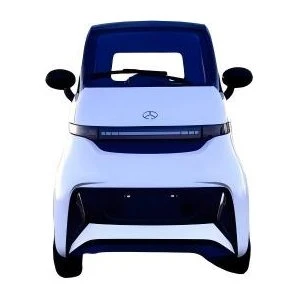
In recent years, the popularity of 4-wheeler electric mini cars has been on the rise, driven by factors such as environmental concerns, cost savings, and urban mobility needs. As a supplier of these innovative vehicles, I’ve often been asked about the practicalities of charging them, especially in public spaces like shopping malls. This blog post aims to explore the feasibility and implications of charging 4-wheeler electric mini cars at shopping malls. 4-Wheeler Electric Mini Car
The Growing Demand for Electric Mini Cars
The shift towards electric vehicles (EVs) is a global trend, and 4-wheeler electric mini cars are at the forefront of this movement in urban areas. These compact vehicles are ideal for short commutes, navigating through congested city streets, and reducing carbon footprints. Their affordability, low maintenance costs, and ease of use make them an attractive option for a wide range of consumers, from students to urban professionals.
As more people embrace electric mini cars, the need for accessible charging infrastructure becomes increasingly important. Shopping malls, with their large parking lots and high footfall, present a potential solution to the charging challenge. They offer a convenient location where drivers can charge their vehicles while they shop, dine, or enjoy other amenities.
The Feasibility of Charging at Shopping Malls
From a technical perspective, charging a 4-wheeler electric mini car at a shopping mall is entirely feasible. Most modern electric mini cars are equipped with standard charging ports that are compatible with common charging stations. These stations can be either Level 1 (using a standard household outlet), Level 2 (a 240-volt charging station), or DC fast chargers.
Level 1 charging is the slowest option but can be easily set up using a regular electrical outlet. It is suitable for overnight charging or when the vehicle has a long time to charge. Level 2 charging stations, on the other hand, provide a faster charging speed and are commonly found in public parking lots, including those at shopping malls. They can fully charge an electric mini car in a few hours, depending on the battery capacity.
DC fast chargers are the quickest option, capable of providing a significant charge in a short period. However, they require specialized equipment and higher electrical capacity, which may not be as common in shopping mall parking lots. Nevertheless, some larger malls are starting to invest in DC fast charging stations to attract electric vehicle owners.
Benefits of Charging at Shopping Malls
There are several benefits to offering charging facilities for electric mini cars at shopping malls. Firstly, it enhances the overall customer experience. By providing a convenient charging solution, malls can attract more electric vehicle owners, who are likely to spend more time and money at the mall while their cars are charging. This can lead to increased footfall and higher revenues for mall retailers.
Secondly, it aligns with the growing trend of sustainability. As more consumers become environmentally conscious, they are more likely to support businesses that prioritize green initiatives. Offering electric vehicle charging stations is a tangible way for shopping malls to demonstrate their commitment to sustainability and reduce their carbon footprint.
In addition, charging at shopping malls can help alleviate range anxiety, a common concern for electric vehicle owners. Knowing that they can easily recharge their vehicles while running errands or enjoying a day out gives drivers the confidence to use their electric mini cars more frequently.
Challenges and Considerations
Despite the many benefits, there are also some challenges and considerations associated with charging 4-wheeler electric mini cars at shopping malls. One of the main challenges is the initial investment required to install charging stations. This includes the cost of the equipment, installation, and any necessary electrical upgrades to the mall’s infrastructure.
Another challenge is the management of charging stations. Shopping malls need to ensure that the charging stations are available when needed, are properly maintained, and that there are clear rules and guidelines for their use. This may require additional staff or the implementation of a digital management system.
Moreover, there is also the issue of power consumption. Charging multiple electric vehicles simultaneously can place a significant demand on the mall’s electrical grid, especially if high-speed DC fast chargers are used. Malls need to work with their local utility companies to ensure that they have sufficient electrical capacity and to explore options for load management and energy storage.
Overcoming the Challenges
To overcome these challenges, shopping malls can adopt several strategies. Firstly, they can explore partnerships with electric vehicle manufacturers, charging station providers, or government agencies to share the cost of installing and maintaining charging stations. For example, some manufacturers offer incentives or subsidies for malls to install their charging stations, while government agencies may provide grants or tax credits for sustainable initiatives.
Secondly, malls can implement a smart charging management system to optimize the use of charging stations. This system can monitor the usage of the stations, prioritize charging based on demand, and provide real-time information to drivers about the availability of charging spots.
Finally, malls can invest in energy storage solutions, such as batteries, to reduce the peak demand on the electrical grid. These energy storage systems can store excess energy during off-peak hours and supply it to the charging stations during peak hours, helping to balance the load and reduce the cost of electricity.
The Future of Charging at Shopping Malls
The future looks promising for charging 4-wheeler electric mini cars at shopping malls. As the demand for electric vehicles continues to grow, more shopping malls are likely to invest in charging infrastructure to stay competitive and meet the needs of their customers.
In addition, technological advancements are expected to make charging faster, more efficient, and more convenient. For example, the development of wireless charging technology could eliminate the need for physical cables, making it easier for drivers to charge their vehicles.
Furthermore, the integration of renewable energy sources, such as solar panels, into shopping mall charging stations could provide a more sustainable and cost-effective charging solution. This would not only reduce the mall’s carbon footprint but also lower the cost of electricity for both the mall and the electric vehicle owners.
The Role of the Supplier
As a supplier of 4-wheeler electric mini cars, I play a crucial role in promoting the adoption of electric vehicles and the development of charging infrastructure. I work closely with shopping malls, charging station providers, and other stakeholders to educate them about the benefits of electric mini cars and the importance of having a reliable charging network.
I also provide my customers with information about the charging options available at shopping malls and other public places, as well as tips on how to optimize their charging experience. In addition, I offer support services to ensure that my customers’ electric mini cars are properly maintained and that they have access to the necessary charging equipment.
Conclusion
In conclusion, charging a 4-wheeler electric mini car at a shopping mall is not only feasible but also offers numerous benefits for both the mall and the electric vehicle owners. While there are some challenges and considerations, these can be overcome through partnerships, smart management systems, and the adoption of new technologies.

As the demand for electric vehicles continues to grow, I believe that shopping malls will play an increasingly important role in the development of the electric vehicle charging infrastructure. By offering convenient charging facilities, malls can attract more customers, enhance their environmental credentials, and contribute to the transition towards a more sustainable future.
Four Wheel Delivery Electric Vehicle If you are interested in exploring the possibilities of incorporating our 4-wheeler electric mini cars into your business or fleet, I invite you to reach out for a discussion on procurement. Our team of experts is ready to provide you with detailed information about our products, pricing, and support services. Let’s work together to embrace the electric vehicle revolution and create a greener, more efficient transportation solution.
References
- International Energy Agency. (2022). Global EV Outlook 2022.
- U.S. Department of Energy. (2022). Alternative Fuels Data Center. Electric Vehicle Charging.
- Electric Vehicle Charging Association. (2022). Best Practices for Electric Vehicle Charging Station Management in Commercial Buildings.
Taizhou Xiangyuan New Energy Technology Co., Ltd.
As one of the most professional 4-wheeler electric mini car manufacturers and suppliers in China, we’re featured by quality products and low price. Please rest assured to wholesale cheap 4-wheeler electric mini car made in China here from our factory. Contact us for customized service and pricelist.
Address: NO.7HUANGJIN ROAD,METAL RESOURCES RECYCLING INDUSTRY BASE, LUQIAO, TAIZHOU, ZHEJIANG
E-mail: order@jiajiev.com
WebSite: https://www.jiaji-ev.com/
