How long does it take to polish a stone with a stone polishing machine?
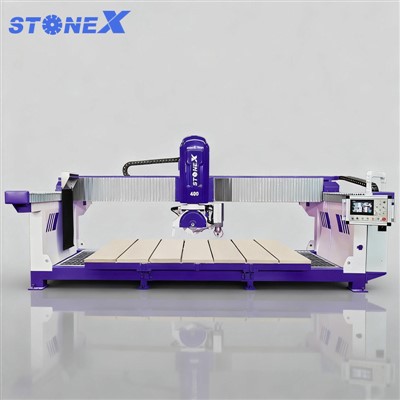
As a seasoned supplier of stone polishing machines, I often encounter inquiries regarding the time required to polish a stone using our equipment. This is a crucial question for our clients in the stone industry, as it directly impacts project timelines, efficiency, and overall productivity. In this blog post, I will delve into the factors that influence the polishing time and provide practical insights to help you estimate the duration of your stone – polishing projects more accurately. Stone Polishing Machine
1. The Type of Stone
The nature of the stone itself is one of the most significant factors determining the polishing time. Different types of stones have distinct physical and chemical properties, which affect how they respond to the polishing process.
– Granite
Granite is a hard and dense igneous rock. Its mineral composition, mainly quartz and feldspar, gives it high durability. Due to its hardness, polishing granite typically takes longer. Coarse – grained granite may require additional time as the larger mineral grains can present more uneven surfaces. On average, with a standard – sized granite slab (say, 3 x 2 meters), it could take anywhere from 2 to 4 hours to achieve a high – gloss finish using our high – end stone polishing machines.
– Marble
Marble is a metamorphic rock composed mainly of calcite. It is generally softer than granite, which means it can be polished relatively faster. However, marble is also more porous and prone to scratches. A medium – sized marble countertop (about 2 x 1.5 meters) can usually be polished to a satisfactory shine in 1.5 to 3 hours. The polishing process for marble also needs to be carefully monitored to avoid over – polishing and damage to the surface.
– Limestone
Limestone is a sedimentary rock composed mostly of calcium carbonate. It has varying levels of hardness and porosity. Softer limestones can be polished relatively quickly, perhaps within 1 to 2 hours for a small – to – medium – sized piece. But harder limestones with more compact grains may take closer to the time required for granite polishing, around 2 to 3 hours.
2. The Initial Condition of the Stone Surface
The state of the stone before polishing plays a vital role in determining the time needed for the process.
– Rough – cut Stone
If the stone comes straight from the quarry and has a very rough surface, it will require more extensive grinding and polishing. The initial coarse grinding process can remove the unevenness and large flaws on the surface. This rough – grinding stage alone can take a significant amount of time. For example, a rough – cut granite block might need 1 to 2 hours of grinding before the actual polishing begins. Subsequently, the polishing process can add another 2 to 3 hours, depending on the final finish desired.
– Previously Polished but Damaged Stone
When dealing with a previously polished stone that has suffered minor scratches or dulling, the polishing time will be shorter. The machine can start with a finer stage of polishing to quickly restore the shine. A small countertop with light scratches may only need 30 minutes to 1 hour of polishing. However, if the damage is more severe, such as deep cracks or chips, additional repair work will be required before polishing, which can significantly extend the overall time.
3. The Desired Finish Quality
The level of finish you want for your stone also affects the polishing time.
– Basic Finish
A basic finish is often used for functional applications where appearance is not the top priority. This type of finish usually involves just a few passes of the polishing machine with medium – grit pads. For a stone tile of average size (30 x 30 cm), achieving a basic finish can take around 10 – 15 minutes using our machines.
– High – Gloss Finish
A high – gloss finish, on the other hand, requires multiple passes with progressively finer – grit polishing pads. Each stage of the polishing process needs to be carried out carefully to ensure a smooth and shiny surface. For a large granite tabletop, achieving a high – gloss finish can take 3 to 5 hours, as the machine has to work through several stages of polishing to eliminate any micro – scratches and achieve maximum reflectivity.
4. The Specification of the Stone Polishing Machine
The features and capabilities of the stone polishing machine used are also important in determining the polishing time.
– Power and Speed
A more powerful machine with higher rotational speeds can generally polish stones faster. Our high – performance machines are equipped with advanced motors that can deliver high torque and speed, allowing them to remove material more quickly during the grinding and polishing process. For example, a machine with a power rating of 7.5 kW may complete the polishing of a standard marble floor in 30% less time compared to a 5 kW machine.
– Number of Polishing Heads
Machines with multiple polishing heads can cover a larger area simultaneously, reducing the overall polishing time. Some of our industrial – grade machines come with 6 or more polishing heads. A 6 – head machine can polish a large marble floor up to twice as fast as a single – head machine.
– Automation Level
Automated stone polishing machines can perform the polishing process more precisely and continuously, without the need for frequent manual adjustments. This high level of automation reduces the time wasted on re – positioning and ensures a more consistent finish. Our fully automated machines can be programmed to follow a specific polishing pattern, optimizing the use of polishing pads and significantly decreasing the time required for polishing.
5. Operator Skill and Experience
The proficiency of the operator also has an impact on the polishing time.
– Skilled Operators
An experienced operator knows how to adjust the machine settings, such as pressure, speed, and the sequence of using different polishing pads, to achieve the best results in the shortest time. They are also better at identifying potential problems during the polishing process and taking timely corrective actions. A skilled operator can complete the polishing of a medium – sized granite slab in about 20% less time compared to a novice.
– Training and Familiarity
Proper training on our stone polishing machines can significantly improve the operator’s performance. We provide comprehensive training programs for our clients’ operators, covering everything from machine operation to maintenance. Operators who have completed our training courses are more likely to operate the machine at its full potential, reducing the overall polishing time.
Conclusion
In conclusion, the time it takes to polish a stone with a stone polishing machine depends on a variety of factors, including the type of stone, its initial surface condition, the desired finish quality, the specification of the machine, and the operator’s skill. Each project is unique, and an accurate estimate of the polishing time requires a careful assessment of all these factors.
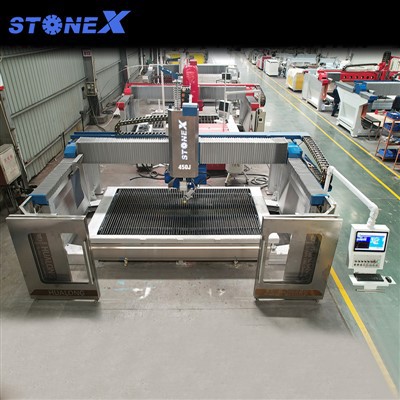
As a reliable stone polishing machine supplier, we offer a wide range of machines to meet different client needs. Our machines are designed with advanced technology to ensure high – efficiency and high – quality polishing. Whether you are a small – scale stone craftsman or a large – scale stone processing factory, we have the right solution for you.
Block Cutting Machine If you are interested in our stone polishing machines or need more detailed information about the polishing process, we invite you to contact us for a consultation. We are eager to discuss your project requirements and provide you with the best – suited machines and professional advice.
References
- "Stone Polishing Handbook", a comprehensive industry guide on stone properties and polishing techniques.
- "Advances in Stone Processing Technology", a research publication highlighting the latest developments in stone polishing machinery.
Nantong Huayi Intelligent Equipment Co., Ltd.
Address: Dongsheng Stone Industry Park, Changjiang Town, Rugao City, Jiangsu Province, China
E-mail: claire@hualongm.com
WebSite: https://www.hystonemachinery.com/
