Reverse Osmosis (RO) purified water equipment is a cornerstone in the water purification industry, offering a reliable and efficient solution for obtaining clean, safe, and high-quality water. As a supplier of RO purified water equipment, I’ve had the privilege of witnessing firsthand the transformative impact of this technology across various sectors, from residential use to large-scale industrial applications. In this blog, I’ll delve into the inner workings of RO purified water equipment, exploring its components, the purification process, and its numerous benefits. RO Purified Water Equipment
Understanding the Basics of Reverse Osmosis
Before we dive into the details of how RO purified water equipment works, it’s essential to understand the fundamental principle of reverse osmosis. Osmosis is a natural process where water molecules move from an area of lower solute concentration to an area of higher solute concentration through a semi – permeable membrane, equalizing the concentration on both sides. Reverse osmosis, as the name suggests, reverses this natural process. In RO, an external pressure is applied to the concentrated solution side, forcing water molecules to move through the semi – permeable membrane from the high – solute side to the low – solute side, leaving behind dissolved salts, contaminants, and other impurities.
Key Components of RO Purified Water Equipment
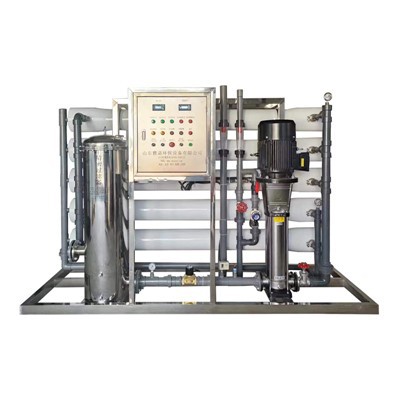
RO purified water equipment consists of several crucial components, each playing a vital role in the purification process.
Pre – Filters
Pre – filters are the first line of defense in the RO system. Their primary function is to remove large particles such as sediment, silt, rust, and debris from the incoming water. These particles can clog the RO membrane and reduce its efficiency. There are generally two types of pre – filters used in RO systems: sediment filters and carbon filters. Sediment filters, typically made of polypropylene, are designed to trap large physical particles. Carbon filters, on the other hand, are effective at removing chlorine, organic compounds, and unpleasant odors and tastes from the water. Chlorine can damage the RO membrane, so its removal is essential for the longevity of the system.
High – Pressure Pump
The high – pressure pump is responsible for generating the pressure required to drive the reverse osmosis process. To overcome the natural osmotic pressure and force water through the semi – permeable membrane, a pressure of 100 – 800 psi (pounds per square inch) is typically needed, depending on the quality of the incoming water and the type of RO membrane used. The pump ensures a consistent flow of water through the system, enhancing the efficiency of the purification process.
Reverse Osmosis Membrane
The heart of the RO system is the reverse osmosis membrane. It is a thin, semi – permeable barrier made of materials such as polyamide. The membrane has extremely small pores that allow water molecules to pass through while blocking most dissolved salts, bacteria, viruses, and other contaminants. The ability of the RO membrane to reject contaminants is measured by its rejection rate, which is usually above 95% for most dissolved solids.
Post – Filters
After passing through the RO membrane, the water may still contain trace amounts of residual contaminants or have an altered taste. Post – filters, often activated carbon filters, are used to polish the water, removing any remaining odors, tastes, and small amounts of organic compounds. They help to improve the overall quality and口感 of the purified water, making it more appealing for drinking.
Storage Tank
Most RO systems are equipped with a storage tank to store the purified water. The tank allows for a continuous supply of purified water, especially during periods of high demand. A float valve in the tank controls the water level, ensuring that the RO system stops producing water once the tank is full and restarts when the water level drops.
Drain
The RO process generates a concentrate stream, also known as brine, which contains the rejected contaminants. This concentrate needs to be drained from the system to prevent the build – up of impurities and to maintain the efficiency of the RO membrane. The drain is connected to a waste line, and the concentrate is typically discharged into the sewer or a suitable drainage system.
The Purification Process Step by Step
Let’s take a step – by – step look at how RO purified water equipment purifies water.
Step 1: Pre – Filtration
The incoming water first enters the pre – filtration stage. It passes through the sediment filter, where large particles are removed. Then, it flows through the carbon filter, which eliminates chlorine and organic compounds. This pre – treatment is essential to protect the RO membrane from damage and fouling.
Step 2: Pressurization
After pre – filtration, the water is sent to the high – pressure pump. The pump increases the pressure of the water to the level required for reverse osmosis. The pressurized water then flows towards the RO membrane.
Step 3: Reverse Osmosis
The pressurized water enters the RO membrane housing. As the water passes through the semi – permeable membrane, water molecules are forced through the tiny pores, while dissolved salts, heavy metals, bacteria, viruses, and other contaminants are trapped and carried away in the concentrate stream. The purified water, known as permeate, collects on the other side of the membrane.
Step 4: Post – Filtration
The permeate then flows through the post – filter. The post – filter further refines the water, removing any remaining impurities and improving its taste and odor. This ensures that the final product is high – quality, great – tasting water.
Step 5: Storage and Usage
The purified water is then stored in the storage tank until it is needed. When a user opens a faucet connected to the RO system, the water is drawn from the tank and is ready for use, whether it’s for drinking, cooking, or other applications.
Benefits of RO Purified Water Equipment
There are numerous benefits to using RO purified water equipment.
High – Quality Purification
RO systems are highly effective at removing a wide range of contaminants, including dissolved salts, heavy metals (such as lead, mercury, and arsenic), bacteria, viruses, and organic compounds. This results in water that is significantly cleaner and safer to drink compared to untreated or conventionally treated water.
Customizable Solutions
RO purified water equipment can be customized to meet the specific needs of different applications. Whether it’s a small – scale residential system or a large – scale industrial system, the components and configuration of the RO system can be adjusted to achieve the desired level of purification and flow rate.
Cost – Effective
In the long run, RO systems can be cost – effective solutions for water purification. While the initial investment may be relatively high, the ongoing operating costs are often lower compared to other purification methods. Additionally, the reduction in health risks associated with consuming clean water can lead to savings on medical expenses.
Environmentally Friendly
RO systems help to reduce the consumption of bottled water, which in turn reduces plastic waste. By providing a reliable source of clean water at home or in the workplace, RO systems contribute to a more sustainable environment.
Applications of RO Purified Water Equipment
RO purified water equipment finds applications in various sectors.
Residential Use
In households, RO systems are commonly used to provide clean, safe drinking water. They can be installed under the sink or as whole – house systems, ensuring that all the water used for drinking, cooking, and even bathing is of high quality.
Commercial Use
Commercial establishments such as restaurants, cafes, and hotels rely on RO systems to produce high – quality water for food and beverage preparation. RO – purified water can enhance the taste of coffee, tea, and other beverages, and it is also essential for maintaining the quality of ice and food products.
Industrial Use
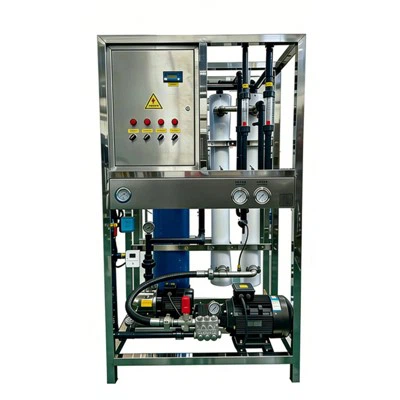
In industries such as pharmaceuticals, electronics, and power generation, RO systems are used to produce ultra – pure water. The stringent purity requirements in these industries demand the high – level purification capabilities of RO technology.
Contact Us for RO Purified Water Equipment
Membrane Filtration Equipment If you’re interested in learning more about our RO purified water equipment or are considering purchasing a system for your home, business, or industrial facility, we’d love to hear from you. Our team of experts is ready to provide you with detailed information, answer your questions, and help you choose the right RO system for your specific needs. Whether you require a small – scale unit for a single household or a large – scale industrial solution, we have the knowledge and experience to deliver a high – quality product.
References
- Crittenden, J. C., Trussell, R. R., Hand, D. W., Howe, K. J., & Tchobanoglous, G. (2012). Water Treatment: Principles and Design (3rd ed.). John Wiley & Sons.
- Wiesner, M. R., & Amy, G. L. (2009). Membrane Technology in Water Treatment. McGraw – Hill.
- AWWA (American Water Works Association). (2017). Water Quality & Treatment: A Handbook of Community Water Supplies (6th ed.). McGraw – Hill.
Shandong Yanuo Environmental Protection Equipment Co., Ltd.
We’re well-known as one of the leading ro purified water equipment manufacturers and suppliers in China, featured by quality products and good price. Please rest assured to buy bulk ro purified water equipment made in China here from our factory. Customized orders are welcome.
Address: North Side of the Road, 1,000 Meters West of the Intersection of Fenghuangshan West Road and Provincial Highway S102, Wangfu Subdistrict, Qingzhou City, Weifang City, Shandong Province.
E-mail: ynhb.499973983@gmail.com
WebSite: https://www.zkyaruo.com/
