If you’ve ever stood at the edge of a newly reclaimed mine site, watching the sun glint off processed mineral concentrates, or pored over technical reports that explain how a piece of earth transforms into high-value metal for cars, electronics, or construction, you’ve likely crossed paths with xanthate. As someone who’s spent the last 12 years running a xanthate supply operation, I get asked all the time: “What does this humble, seemingly simple chemical actually do in mining?” The answer isn’t just a list of uses—it’s a story of how careful chemical engineering turns raw ore into the materials that power modern life, and how the right xanthate product can make or break a mine’s profitability and environmental footprint. Let me walk you through what I’ve learned about xanthate’s role in mining, straight from the supply side. Xanthate
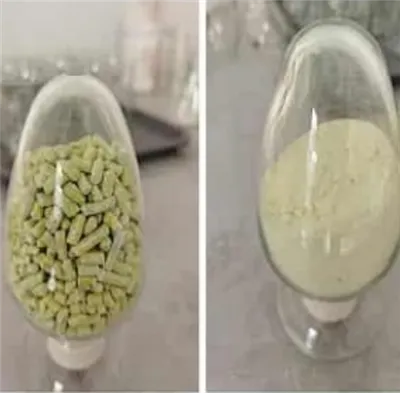
First, let’s get a quick lay of the land for anyone new to the space. Xanthates are organic compounds with a general formula of ROCSS⁻M⁺, where R is an alkyl group (think ethyl, isopropyl, or butyl) and M is usually sodium or potassium. They’re synthesized by reacting an alcohol with carbon disulfide in a strong alkaline solution—something we do at our facility with strict quality checks to ensure every batch meets exact specifications. For mining, their superpower is selective adhesion: they bond only to certain metal sulfide mineral surfaces, leaving other minerals or gangue (the worthless rock mixed in with ore) untouched. That property makes them the backbone of froth flotation, the most widely used mineral processing method today, responsible for over 90% of non-ferrous metal production globally.
Let’s start with the biggest, most impactful application: selective sulfide mineral flotation. This is where xanthates earn their keep, and where our team spends most of our product development time. Imagine a slurry of crushed ore and water, pumped into massive flotation cells that can hold thousands of gallons. We add air to create tiny bubbles, and xanthate is the key that unlocks which minerals stick to those bubbles. When xanthate comes into contact with a sulfide surface like copper, lead, zinc, or nickel, the CSS⁻ end of the molecule covalently bonds to the metal ions on the mineral’s surface, while the R group is hydrophobic (water-repelling). That means the coated mineral particles will cling to rising air bubbles, floating to the top of the cell where they form a froth layer we skim off as a concentrated mineral product. The gangue, left behind in the slurry, is discarded as tailings—minimizing waste and ensuring we only process the valuable metals.
What most people don’t realize is that not all minerals bind to the same xanthate. A mine processing both copper and lead ore, for example, can use different xanthate chain lengths to separate them. Shorter alkyl groups like ethyl xanthate are smaller and more reactive, so they bind tightly to smaller, more reactive metal sulfides like copper or gold. Longer alkyl groups like isobutyl xanthate are bulkier, so they stick to larger, less reactive surfaces like lead or zinc. As a supplier, we tailor our xanthate blends to each mine’s specific ore. Last year, a small copper mine in Arizona was struggling with low gold recovery because their generic xanthate was bonding to gangue minerals with trace gold. We tested three of our custom blends, and they settled on one modified xanthate that only attached to gold-bearing pyrite, boosting their gold recovery by 18% and their copper recovery by 12%—all without them having to invest in new flotation equipment. That’s the kind of impact a good xanthate product can have.
Next up is gold recovery, a market we’ve served for more than a decade, and where xanthate plays two critical roles beyond flotation. First, as I touched on earlier, xanthate is a powerful collector for gold in sulfide ores. Roughly 60% of global gold production comes from ore that’s locked in sulfide minerals like pyrite or arsenopyrite, so you can’t just leach raw gold with cyanide and call it a day. You have to separate the gold-bearing sulfides first with flotation, and xanthate is the only collector that works reliably for this application. Second, xanthate is used in the carbon-in-leach (CIL) and carbon-in-pulp (CIP) processes that follow flotation for many gold mines. Before leaching, residual xanthate in the flotation concentrate can interfere with cyanide’s ability to bond to gold, so we work with mines to adjust our dosage levels and recommend pH buffers that reduce xanthate interference, cutting cyanide consumption by up to 15% in some cases. I remember working with a gold mine in Western Australia a few years back that was wasting thousands of dollars on extra cyanide because their old xanthate was breaking down unpredictably. By switching to our stabilized potassium amyl xanthate, they not only reduced cyanide use but also avoided 30 tons of excess tailings waste annually—saving them over $200,000 a year in operational and environmental compliance costs. That’s a win that reaches beyond the processing plant, straight to the mine’s bottom line and their environmental goals.
Then there’s lead and zinc flotation, two other massive markets for xanthate, where selectivity is everything. Lead and zinc ores are often found together in the same deposit, so you need to separate them without cross-contamination. Here, xanthate works in tandem with “depressants” (chemicals that prevent unwanted minerals from floating) to create what’s called “sequential flotation.” For lead flotation, mines use xanthate to bind to lead sulfide (galena), while a depressant like zinc sulfate keeps zinc sulfide (sphalerite) at the bottom of the cell. Once the lead is skimmed off, they adjust the conditions, add more xanthate, and float the zinc. As a supplier, we don’t just sell xanthate—we work with mines to optimize this step. A zinc mine in Canada was having issues with lead contamination in their zinc concentrate, which made the zinc unsellable for battery manufacturers. We recommended a xanthate blend with a higher isopropyl content, paired with adjusted flotation pH, that cut lead levels in the zinc concentrate by 92%, making their product eligible for top-tier battery-grade pricing. That’s the kind of technical partnership we pride ourselves on, not just being a chemical supplier, but an extension of their processing team.
Beyond flotation, xanthate has two other important applications in mining: dust suppression and tailings management, areas that have grown in importance as mines focus on sustainability. Wait, dust suppression? You might be thinking, “That’s usually for roadways, right?” But many mines use powdered xanthate as a dust control agent on haul roads and stockpiles of crushed ore because it’s non-toxic, biodegradable, and forms a thin, flexible film on rock surfaces that prevents fine particles from being kicked up by trucks or wind. Unlike salt-based dust suppressants that can corrode equipment and contaminate soil, xanthate breaks down naturally in rainwater without leaving harmful residues, so it’s a popular choice for mines operating in sensitive, remote areas. We’ve supplied xanthate for dust suppression to a nickel mine in northern Canada, where permafrost and fragile tundra mean they can’t use harsh chemicals that would seep into the ground. Their dust levels dropped by 75% after switching, and they’ve avoided multiple environmental violations related to airborne particulate matter—another big win for both operations and the planet.
Tailings management is another unsung role for xanthate. Tailings, the slurry left over after flotation, are a major environmental concern for mines, as they can contain heavy metals and residual chemicals that leach into groundwater. Residual xanthate in tailings can react with oxygen and water to form toxic byproducts like carbon disulfide, which can harm aquatic life. But here’s where we’ve developed a game-changing solution: we supply modified xanthate products that break down 3x faster than traditional xanthates, leaving less residual chemical in tailings. For mines operating near rivers or groundwater aquifers, this is a huge advantage. A copper mine in Chile, located just 10 miles from a major river, was facing strict new regulations limiting toxic discharges. By switching to our biodegradable ethyl xanthate blend, they reduced residual xanthate in their tailings by 80% within six months, helping them pass their environmental audit without costly upgrades to their tailings pond treatment system. This isn’t just good for the mine—it’s good for the communities living near their operations, which is why this is one of our fastest-growing product lines.
Now, let’s talk about the side of this that I don’t always get to share: the challenges of being a xanthate supplier in this space, and why it’s not just about selling chemicals. Mining is a cyclical industry, and when commodity prices drop, mines cut every cost they can—including chemical budgets. But I’ve seen firsthand that cutting corners on xanthate quality is a false economy. A mine that uses cheap, untested xanthate might save a few dollars upfront, but they’ll pay for it in lower recovery rates, higher energy costs, and more environmental fines. That’s why we invest so heavily in testing and quality control: every batch of xanthate we ship is tested for purity, alkyl chain length distribution, and stability, and we work with each mine to tailor dosage rates, blending instructions, and application methods to their specific ore. We don’t just send a truckload of chemical and move on—our technical team is on site at mines regularly, troubleshooting issues, adjusting blends, and helping them get the most out of our products.
I also want to touch on what’s next for xanthate in mining, because it’s not a stagnant chemical. As mines move towards lower-grade ores to keep up with global demand for metals for renewable energy (think copper for wind turbines, nickel for batteries, rare earths for EVs), the need for more selective, efficient collectors is growing. We’re currently developing a new line of xanthate derivatives that target specific rare earth minerals, which could help unlock more sustainable supplies of these critical metals. We’re also working on xanthate-based products that can reduce water use in mining, a big issue in water-scarce regions like parts of Africa and Australia. The future of xanthate isn’t just doing what it’s always done—it’s evolving to meet the new demands of a mining industry that’s moving towards sustainability and net-zero goals.
But let’s get back to the human side of this, because at the end of the day, this is about people. The miners I work with aren’t just looking for a chemical—they’re looking for a partner who understands their challenges, whether that’s a mine fighting to stay profitable amid volatile metal prices, an operation trying to reduce their environmental impact, or a small mine that needs a reliable supply of a specialized chemical they can’t source locally. For 12 years, we’ve built our business on that trust: we show up when they need us, we provide transparent data on every batch, and we don’t oversell our products—if a mine can get better results with a different chemical, we’ll tell them that, not push our xanthate just to make a sale.
If you’re a mine engineer, operations manager, or procurement specialist who’s dealing with low mineral recovery, high chemical costs, or environmental compliance challenges related to mineral processing, I’d encourage you to reach out. Whether you’re processing sulfide ores for copper, lead, zinc, gold, or nickel, we can work with you to test our custom xanthate blends, adjust your flotation process, and find solutions that fit your specific needs. We offer free on-site testing for new clients and can help you optimize dosage rates to cut costs without sacrificing performance.
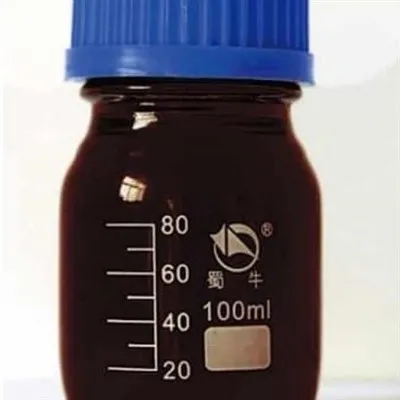
Xanthate might seem like a small, unassuming chemical, but its impact on mining—and on the modern world— is enormous. It’s the reason we can extract the metals that go into everything from smartphones to electric cars, it’s helping mines reduce their environmental footprint, and it’s a cornerstone of mineral processing that’s evolved along with the industry. For anyone in mining, choosing the right xanthate supplier isn’t just a purchasing decision—it’s a decision that affects your recovery rates, your bottom line, and your commitment to sustainable operations. I’m proud to be part of that, and I’d love to help your mine find the right xanthate solution for you.
Dithiophosphate References
- Malhotra, D., & Fuerstenau, D. W. (2005). Xanthates and Other Sulfur-Containing Collectors in Mineral Flotation. International Journal of Mineral Processing, 76(1-2), 25-45.
- Laskowski, J. S. (2010). Chemical Reagents in Mineral Processing. Society for Mining, Metallurgy, and Exploration (SME).
- Vega, M., et al. (2018). Biodegradation of Xanthates in Mining Tailings and Their Environmental Impacts. Journal of Hazardous Materials, 345, 124-132.
- Zhang, L., et al. (2021). Selective Xanthate Collectors for the Flotation of Gold-Bearing Sulfide Ores. Minerals Engineering, 168, 106987.
- Kelly, J. G., & Ozberk, E. (2019). Dust Suppression in Mining Operations: A Review of Current Practices and Future Directions. Mining Engineering, 71(5), 45-52.
Bitop Bihope Qingdao Mining Co., Ltd
Bitop Bihope Qingdao Mining Co., Ltd. is one of the most professional xanthate manufacturers and suppliers in China, featured by quality products and low price. Please rest assured to buy discount xanthate in stock here and get quotation from our factory. Customized orders are welcome.
Address: Room 410, 4th Floor, Shengquan Business Building, No. 263 Yitong Road, Huangdao District, Qingdao City, Shandong Province, China
E-mail: btbhmining@163.com
WebSite: https://www.btbhmining.com/
