Hey everyone, Monitoring Tower
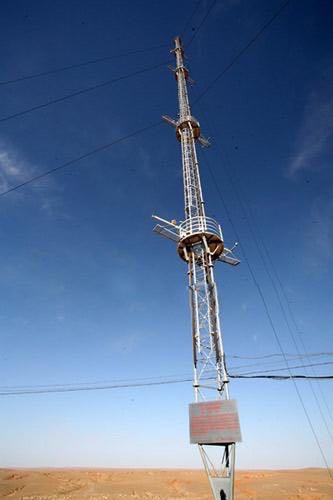
Let’s cut to the chase. If you’re here because you’re either thinking about getting a monitoring tower installed on your site, or you’re like me—someone who’s been selling these structures for the past 8 years—you’ve probably stumbled on one question more than any other: do these things actually need local approval?
Spoiler alert: the short answer is yes, but let’s not make this a stuffy legal lecture. I’ve seen too many clients skip this step and end up with a tower sitting half-built, or worse, a fine that makes the whole project not worth it. I’m Jake, by the way—run a small monitoring tower supply team (let’s keep it casual, no fancy corporate titles here) and I’ve dealt with more local planning meetings, zoning codes, and confused county inspectors than I can count. Today I’m breaking this down like we’re chatting over a coffee, no jargon, no stuffy paragraphs.
First, let’s get on the same page about what a monitoring tower actually is, because not everyone knows. These aren’t just random tall poles we stick in the ground. Most of ours are used for things like wildfire detection, crop health monitoring for farms, wildlife tracking for conservation groups, or even site security for construction crews. They come in all sizes too—some are 20 feet tall for small construction sites, others go up 150 feet for forestry projects. But here’s the thing: any structure that’s above a certain height, or used for a specific purpose, is going to trigger some kind of local rule.
So why do they need approval? Let’s start with the most practical stuff. Local authorities—think county planning departments, city zoning boards, even some township committees—have two big jobs here: keeping the area safe and making sure everyone’s stuff lines up with what the neighborhood (or region) agreed is okay.
Take safety first. If you’re putting a 100-foot tower on a construction site near a highway, the last thing anyone wants is it not being anchored right, or blocking traffic lines of sight. Local building codes (they’re different in every state, and even every county, by the way) set rules for how deep the foundation needs to be, what materials to use, and how to make sure it doesn’t fall during a storm. I had a client in northern California a couple years back who skipped the local structural inspection and tried to use a smaller foundation for a 80-foot tower. A month later, a heavy winter wind gust knocked it askew—luckily no one was hurt, but he had to haul it all away and start over, plus pay a fine for not following building codes. That’s the kind of mistake I want people to avoid.
Then there’s zoning. This is where it gets tricky because it’s not just “cities have rules.” Rural areas, suburbs, even small towns all have different zoning laws about what you can build where. For example, if you’re a farmer in Iowa wanting a monitoring tower to track crop irrigation, you might think “it’s my land, why do I need approval?” But a lot of rural counties have height limits for structures outside of farm buildings. I’ve had a client in central Iowa try to put up a 70-foot tower and get stopped because the county’s agricultural zoning limit is 50 feet for standalone structures. They ended up having to tweak the tower’s design to fit a shorter height, and they only had to do that because they checked in with the county first. If they’d just installed it, they’d have to take it down. Ouch.
There’s also the not-so-obvious stuff: environmental rules. A lot of people don’t realize that even small monitoring towers can affect local ecosystems. If you’re putting one near a wetland, or a protected species’ habitat, the local environmental agency (sometimes part of the planning department) might have to sign off on it. I worked with a conservation group in Oregon a while back that was tracking spotted owls with a monitoring tower. The county made them adjust the tower’s location by 50 feet because it was too close to an owl’s nesting site. If they’d built it where they originally planned, they’d have had to remove it and start over. That’s not just a hassle—it’s a waste of time and money for a non-profit working on a tight budget.
Now, let’s talk about the process, because I know you’re thinking “this sounds like a headache.” It doesn’t have to be. Most of the time, it’s not like going to a big court hearing. For small towers (under 30 feet, say for a small construction site), you can usually get a fast-tracked permit from the local building department—sometimes it’s a couple hundred dollars, takes a week or two. For taller towers, or ones near sensitive areas, it might be a bit more involved—you might need to submit some design plans, maybe do a quick environmental check. But here’s the pro tip: involve a local consultant if you’re not sure. Wait, or even better—our team does this for a lot of clients. We know the ropes in most states, so we can help you figure out exactly what paperwork you need before you even order the tower. That saves you so much time.
I get it, though. Some people think “why pay for permits, why go through the hassle?” They see it as a delay, or extra cost. But let’s do the math: a permit might cost you $500, but if you skip it and get a fine, that can be $1,000 or more. Plus, you might have to take the tower down, which would cost way more than the permit. And if you’re using the tower for a project that has a deadline—like a construction project that needs security monitoring to finish on time—delays from unapproved towers can make you miss your deadline and lose money. I’ve seen that happen too. A construction client in Texas tried to skip approval for a 40-foot tower, and the county made them take it down. That set their project back two weeks, cost them $20,000 in lost revenue. All because they decided to cut corners on approval.
Wait, but is there any case where you don’t need approval? Let’s be honest here—no. Even if you’re putting a tiny 10-foot tower on your private land, some counties still have rules. I’ve seen a guy in a small Ohio town put a 10-foot tower in his backyard for a hobby project, and the city made him get a zoning permit because it was within 20 feet of his neighbor’s property line. It’s rare for super small, low-impact towers, but check first. There’s almost never a situation where “no one will notice” works. Local inspectors drive around, they check building permits, and if you’re in a public-facing area, someone will definitely report it if something looks out of place.
Let’s also talk about what we, as monitoring tower suppliers, do to help with this. We don’t just drop a box of parts at your door and disappear. A big part of our job is guiding clients through the approval process. We’ve got a list of questions you need to ask your local authority: what’s the height limit for structures in this zoning area? Do I need a building permit, a zoning permit, or both? Are there any environmental rules I need to follow? Do I need to submit design plans? We can even help you put together the paperwork, like showing that your tower’s foundation meets local structural codes. It’s part of the service, not an extra charge most of the time.
I also want to address a common misconception: people think approval is just a “yes” or “no” thing. No way. Most of the time, the local authority will give you feedback that lets you adjust the tower to fit their rules without changing what you need it to do. For example, a forestry client in Washington wanted a 120-foot tower for wildfire detection, but the county had a 100-foot height limit. We worked with him to tweak the design—used a slightly lighter material for the upper section, so he still got the same line of sight for monitoring, just a shorter tower. The approval was granted in 10 days, and he didn’t have to sacrifice his project goals. That’s way better than fighting the county and getting denied.
So what’s the takeaway here? Let’s wrap this up simple. 1) Yes, monitoring towers almost always need local approval. Don’t skip it. 2) The process isn’t as scary as it sounds, especially if you get help from someone who knows the local rules. 3) Cutting corners on approval will cost you way more in fines, delays, or having to take the tower down.
If you’re thinking about getting a monitoring tower for your project—whether it’s construction, agriculture, conservation, whatever—hit us up to chat through the approval process. We can tell you what to expect in your area, help you with the paperwork, and make sure the whole thing goes smooth. No sales pitch pressure, just real advice from someone who’s been doing this for years and doesn’t want to see clients make the same mistakes I’ve seen.
Now, before I go, let’s list the sources I used for this, because I always like to back things up:
- International Code Council. (2021). International Building Code.
- National Agricultural Law Center. (2022). Zoning Regulations for Agricultural Structures.
- U.S. Fish and Wildlife Service. (2023). Guidelines for Structures Near Protected Species Habitats.
- National Wildfire Coordinating Group. (2021). Standards for Wildfire Detection Monuments.
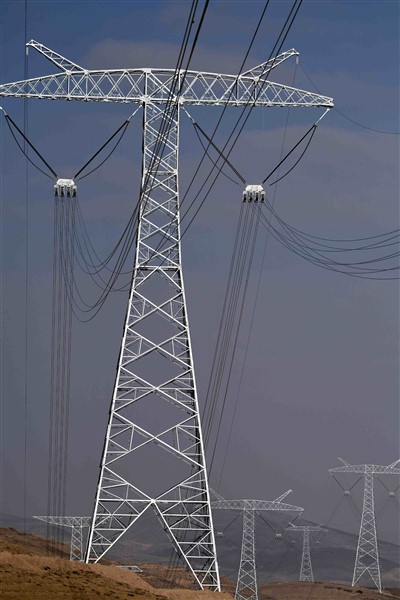
Power Transmission Towers That’s it from me. Hope this helps the next time you’re dealing with local authorities for a monitoring tower.
Hebei Yifeng Steel Structure Co., Ltd.
As one of the most professional monitoring tower manufacturers and suppliers in China, we offer a wide range of products with superior quality. Please feel free to buy cost-efficient monitoring tower for sale here from our factory. Contact us for more details.
Address: Guangchuan Town Industrial Zone, Jing County, Hengshui City, Hebei Province
E-mail: hbyfgjg@163.com
WebSite: https://www.yf-powertowers.com/
