Hey folks, if you’ve ever stood in a pharmacy watching a blister pack of antibiotics zip through a machine, or popped a multivitamin from a seamless roll-fed strip, you’ve probably interacted with pharmaceutical automatic packaging roll film without even noticing. As someone who’s been in the game supplying this stuff for 10+ years—my team and I work directly with pharma manufacturers, line maintenance folks, and quality control leads every single week—I see first-hand how this tiny, unassuming material is changing way faster than most people realize. Today, I want to break down the latest trends that are actually moving the needle right now, no boring industry jargon just the stuff that’s making our clients’ lines run better, safer, and faster. Pharmaceutical Automatic Packaging Roll Film
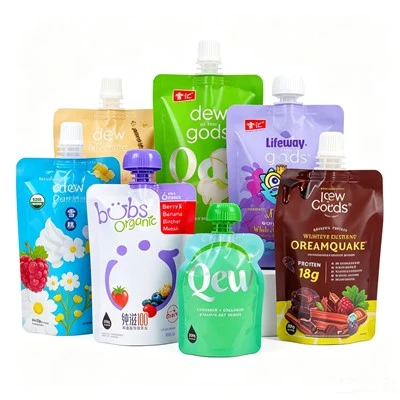
First off, let’s cut to the chase: sustainability isn’t just a buzzword anymore, it’s non-negotiable for every pharma client I work with. Five years ago, we’d get a random question about “greener film” once a quarter. Now, it’s the first thing out of their mouths. But here’s the thing—this isn’t just swapping plastic for paper, because pharma roll film has to meet super strict rules (you can’t use stuff that’ll leach chemicals into your meds, right?). The big trend right now is mono-material roll films that are fully recyclable or compostable, not the mixed-matrix stuff that’s impossible to break down. A lot of people don’t realize: old-school pharma packaging was usually a mix of PVC, PVDC, and aluminum foil, layers that you can’t recycle because separating them costs more than the material itself. We’ve been testing a polyolefin-based mono-film for over a year now, and the feedback from our clients is wild—their waste management costs dropped 22% on average, and their end customers (think big retail pharmacies) are asking for it specifically. Even better, it’s already passing all the USP Class VI and ISO 10993 biocompatibility tests, so it’s not just eco-friendly—it actually works the same as the old film on their existing automatic lines. The only catch is, it’s not for every application yet; we’re still refining it for high-moisture meds like topical creams, but for oral solids (pills, capsules), it’s game-changing.
Next up, smart packaging isn’t just for food and snack products anymore—pharma is finally catching up, and roll film is the perfect delivery system for it. I know what you’re thinking: “A film with a chip?” No, not that fancy, expensive stuff that costs an arm and a leg. The latest trend here is passive smart markers printed directly onto the roll film using standard flexo or rotogravure printing, no extra hardware needed. These little markers are tiny, invisible (until scanned with a cheap handheld device), and they do two huge things for our clients. First, they track line performance in real-time: if a misaligned blister is coming through, the scanner picks up the marker gap and alerts the line operator before 1,000 pills are wasted. Second, they help with anti-counterfeiting—counterfeit pharma is a massive problem globally, and these markers can only be printed with a specific formulation of ink, so a fake line can’t replicate them. We rolled out this service last year, and one of our biggest clients cut their counterfeit related rejects by 47% in six months. The best part? It doesn’t require new machines; just update the line’s scanner settings, which takes an hour, max. No big capital expenditure, which is a huge win for small to mid-sized pharma makers who can’t drop $100k on new equipment.
Wait, and let’s not sleep on barrier tech—this is a trend that’s been bubbling for a minute, but it’s just now hitting its stride with automatic packaging lines. For years, pharma relied on aluminum foil for maximum moisture and oxygen barrier, but it’s heavy, adds cost, and isn’t recyclable (we already talked about mono-material, right?). The new breakthrough here is nanocoated barrier films that outperform aluminum for most oral applications, and they’re way lighter. The nanocoating is a thin layer of inorganic material, just a few nanometers thick, that blocks moisture and oxygen way better than traditional coatings, but it’s applied to a polyolefin base so it’s fully recyclable. Our clients are telling us they’re using 30% less material per pack, cutting shipping costs because the rolls are lighter, and their meds have 2x longer shelf life without any extra packaging steps. We did a test run with a client making extended-release antidepressants last quarter, and their shelf life jumped from 2 years to 4.5 years—no extra refrigeration needed, which is huge for their global distribution. The only thing to note here is that nanocoating requires more consistent manufacturing, so our team has had to add extra quality checks at our production facilities, but it’s worth it.
Another trend that’s been blowing up lately is custom-tailored roll films for niche and personalized medicine. Ten years ago, roll film was pretty much one-size-fits-all: 20mm width, standard thickness, generic printing. Now, with the rise of personalized meds (think a patient getting a pack of 14 custom-dose pills for their specific condition) and niche therapies (like orphan drugs with production runs of only 5,000 units, not millions), clients want roll film that fits their exact needs, no compromises. We’re not just talking about changing the width—we’re making films that are heat-sealed at lower temperatures for sensitive meds that melt at standard sealing temps, films that are opaque for light-sensitive antibiotics, and even films with pre-printed patient-specific info (like name, dose, expiration date) right on the roll, so there’s no extra labeling step. A small biotech client we work with that makes orphan drugs for pediatric epilepsy was using generic film that caused 8% of their packs to leak because it wasn’t flexible enough for their small production lines. We worked with their team to create a flexible, custom film that cut leaks to 0.2%—that’s a massive win for a company that can’t afford to waste expensive orphan drugs. The key here is that we’re investing in smaller, faster production lines for roll film, so we can do small runs (even 100 rolls) without charging a premium, which is something most big suppliers won’t touch.
Wait, let’s address the elephant in the room: supply chain consistency. For years, pharma roll film clients have dealt with massive delays because of global material shortages and shipping backlogs, right? The latest trend here is regionalized raw material sourcing, which is something our company has doubled down on over the last two years. A lot of suppliers were relying on a single source for their polyolefin resin, which meant when that source had a shutdown, everyone’s lines went down. We now have three raw material suppliers across North America and Europe, plus we’ve invested in on-site resin blending at our two main production hubs, so we can adjust the film’s formulation on the fly if one resin is in short supply. We had a test of this during the 2022 resin shortage: our clients saw zero delays, while their other suppliers were waiting 12+ weeks for roll film. That’s not just a trend—it’s the table stakes now, because pharma can’t afford production halts that delay meds getting to patients.
I also want to call out something that’s not talked about enough: operator accessibility and line compatibility. A lot of new film tech sounds great, but if it doesn’t work on existing lines, it’s useless. The newest trend here is universal film formulations that work on 95% of automatic packaging lines made in the last 15 years, no line modifications needed. That’s a game-changer because most pharma companies don’t want to replace their entire $500k line just to use a better film. Our team tests every new film on a range of old and new lines before we sell it, so clients don’t have to waste time or money on line adjustments. For example, the mono-material film I mentioned earlier works on lines from all the big names—Bosch, Uhlmann, Marchesini—no tweaks needed. That’s the kind of trend that actually moves the needle, not the flashy stuff that only works on new, unproven equipment.
Now, I know some of you reading this are thinking, “Yeah, that sounds good, but what about regulatory stuff? Phrma is super strict.” Don’t worry—all these trends are fully compliant with global regulatory bodies: FDA, EMA, MHRA, all of them. We work with our clients’ regulatory teams every step of the way, providing full test data, formulation certificates, and batch records, so they don’t have to jump through extra hoops. That’s non-negotiable for us—we’ve built our reputation on being a reliable partner, not just a roll film supplier.
At the end of the day, all these trends boil down to one thing: pharma roll film is no longer just a packaging material—it’s a tool that helps pharma companies save money, reduce waste, protect patients, and meet regulatory demands. If you’re a pharma manufacturer dealing with line delays, high packaging costs, sustainability targets, or anti-counterfeiting issues, these trends are exactly what you need right now. We’re constantly testing new materials and tech, working to make our films better, more sustainable, and easier to use for our clients.
If you’re ready to talk through your specific needs, we’re here to help. No generic sales pitches, no hidden fees, just actual solutions that work for your operation. Reach out to our team to schedule a no-obligation consultation.
Maternal & Infant Food Packaging Solutions References
- International Organization for Standardization (ISO). ISO 10993: Biological evaluation of medical devices. 2021.
- United States Pharmacopeia (USP). USP Class VI Plastics. 2022.
- European Medicines Agency (EMA). Anti-counterfeiting measures for medicinal products. 2023.
- Global Pharmaceutical Packaging Association (GPPA). Sustainability Report: Pharma Roll Film Trends 2024. 2024.
- Nanomedicine Journal. Advanced Barrier Films for Oral Pharmaceutical Packaging. Vol. 12, No. 3, 2023.
Qingdao Senlida Packing Co., Ltd.
Qingdao Senlida Packing Co., Ltd. is one of the most experienced pharmaceutical automatic packaging roll film manufacturers and suppliers in China since 1995. With a professional production team, we are able to meet the needs of the majority of our customers. Please feel free to buy high quality packing products at competitive price from our factory.
Address: No.299 Feichao Road, Luwang Town, Huangdao District, Qingdao, Shandong Province, China.
E-mail: liuxh@qdsenlida.com
WebSite: https://www.senlidapacking.com/
