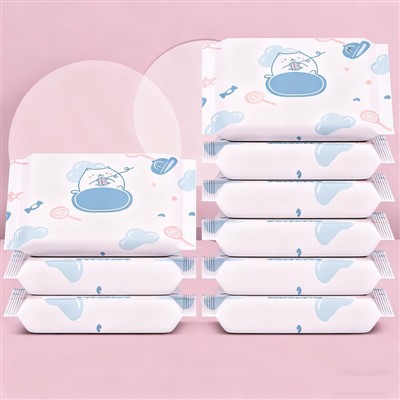
Biodegradable wipes have gained significant popularity in recent years, driven by increasing environmental awareness and a growing demand for sustainable products. As a proud supplier of biodegradable wipes, I am often asked about their performance in various conditions, particularly in humid environments. In this blog post, I will delve into the intricacies of how biodegradable wipes fare in high – humidity settings, drawing on scientific knowledge and real – world experience. Biodegradable Wipes
Understanding Biodegradable Wipes
Before we discuss their performance in humid environments, it’s essential to understand what biodegradable wipes are. Biodegradable wipes are made from materials that can be broken down by microorganisms into natural substances such as water, carbon dioxide, and biomass over time. These materials typically include plant – based fibers like bamboo, cotton, or wood pulp, which are more environmentally friendly compared to traditional synthetic materials.
The manufacturing process of biodegradable wipes is designed to ensure that they are not only gentle on the skin but also capable of performing various cleaning tasks. They are often infused with natural ingredients such as aloe vera, essential oils, and mild surfactants to provide effective cleaning while maintaining a high level of biodegradability.
The Impact of Humidity on Biodegradable Wipes
Humidity can have both positive and negative effects on biodegradable wipes. On one hand, high humidity can accelerate the biodegradation process. Microorganisms, which are responsible for breaking down the wipes, thrive in moist environments. The presence of water helps these microorganisms to move more freely and access the organic materials in the wipes more easily. As a result, in a humid environment, biodegradable wipes can decompose at a faster rate compared to a dry environment.
However, humidity also poses some challenges to the performance and integrity of biodegradable wipes. One of the main issues is the potential for mold and mildew growth. Since biodegradable wipes are made from organic materials, they provide an ideal breeding ground for mold and mildew in the presence of high humidity and warmth. Mold and mildew not only compromise the aesthetic appearance of the wipes but can also produce unpleasant odors and potentially cause health problems if they come into contact with the skin.
Another challenge is the loss of structural integrity. High humidity can cause the fibers in the wipes to absorb water and become soft and weak. This can lead to the wipes tearing or falling apart more easily during use, reducing their effectiveness as a cleaning tool. Additionally, the moisture can cause the ingredients in the wipes, such as essential oils and surfactants, to break down or evaporate more quickly, which may affect their cleaning performance.
Scientific Studies on Biodegradable Wipes in Humid Environments
Several scientific studies have been conducted to evaluate the performance of biodegradable wipes in humid conditions. One study published in the Journal of Environmental Science and Technology examined the biodegradation rate of different types of biodegradable wipes in a controlled high – humidity environment. The researchers found that wipes made from bamboo fibers had a higher biodegradation rate compared to those made from cotton or wood pulp. This was attributed to the unique structure of bamboo fibers, which are more porous and allow microorganisms to penetrate more easily.
Another study focused on the growth of mold and mildew on biodegradable wipes. The results showed that the addition of natural antimicrobial agents, such as tea tree oil, can significantly reduce the growth of mold and mildew in humid environments. Tea tree oil has strong antibacterial and antifungal properties, which can help to keep the wipes clean and fresh for a longer period.
Strategies to Enhance Performance in Humid Environments
As a supplier of biodegradable wipes, we have developed several strategies to ensure that our products perform well in humid environments. Firstly, we use high – quality materials and advanced manufacturing processes to enhance the structural integrity of the wipes. Our wipes are designed to be more resistant to tearing and falling apart, even when exposed to high humidity.
Secondly, we incorporate natural antimicrobial agents into our wipes. In addition to tea tree oil, we also use other natural ingredients such as grapefruit seed extract and eucalyptus oil, which have been shown to have effective antimicrobial properties. These agents help to prevent the growth of mold and mildew, ensuring that the wipes remain clean and safe for use.
Thirdly, we provide proper packaging for our wipes. Our wipes are packaged in air – tight containers that help to prevent moisture from entering and keep the wipes dry. The packaging also includes desiccants, which absorb any excess moisture and maintain a low – humidity environment inside the container.
Real – World Applications and Customer Feedback
In real – world applications, our biodegradable wipes have been well – received by customers in humid environments. For example, in tropical regions where humidity levels are consistently high, our wipes are used in various settings such as hospitals, hotels, and households. Customers have reported that our wipes are effective in cleaning and maintaining a hygienic environment, even in the face of high humidity.
One customer, a hotel manager in a coastal area, shared his experience using our biodegradable wipes. He said that the wipes were able to withstand the humid conditions without losing their cleaning power or developing mold. He also appreciated the fact that the wipes were environmentally friendly, which aligned with the hotel’s sustainability goals.
Conclusion
In conclusion, biodegradable wipes can perform well in humid environments with the right strategies and product design. While humidity can pose some challenges, such as mold growth and loss of structural integrity, these issues can be mitigated through the use of high – quality materials, natural antimicrobial agents, and proper packaging.
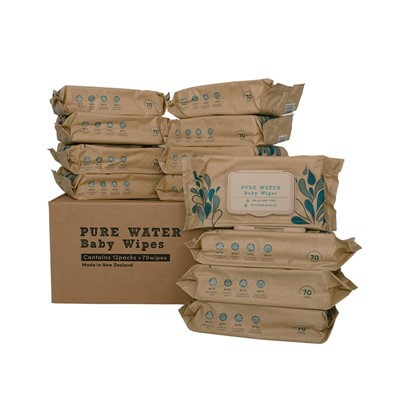
As a supplier of biodegradable wipes, we are committed to continuously improving our products to meet the needs of our customers in all environments. We believe that biodegradable wipes are not only a sustainable alternative to traditional wipes but also a practical solution for cleaning and hygiene, even in humid conditions.
Baby Wipes If you are interested in learning more about our biodegradable wipes or would like to discuss a potential purchase, please feel free to reach out. We are always ready to provide you with detailed information and samples to help you make an informed decision.
References
- Journal of Environmental Science and Technology: "Biodegradation of Biodegradable Wipes in High – Humidity Environments"
- Research on Antimicrobial Agents in Biodegradable Wipes: "Natural Antimicrobial Agents for Preventing Mold Growth on Biodegradable Wipes"
Shanghai Joy Crown Industry Co., Ltd.
As one of the most professional biodegradable wipes manufacturers and suppliers in China, our company have world-leading production equipment and strong manufacturing capabilities. Please feel free to buy high quality biodegradable wipes made in China here from our factory. Contact us for OEM service.
Address: No.55-56 Lane 21 Pu San Road, Pudong New Area, 200125 Shanghai, P.R.China.
E-mail: sales@joybiowipes.com
WebSite: https://www.joybiowipes.com/
