Can a Mini Electric Hoist be used outdoors?
As a seasoned supplier of mini electric hoists, one question I’m frequently asked is whether these compact lifting machines can be used outdoors. It’s a valid concern, considering the varying environmental conditions and potential challenges that come with outdoor operations. In this blog post, I’ll delve into the factors to consider, the advantages and limitations of using a mini electric hoist outdoors, and provide some practical tips to ensure safe and efficient use. Mini Electric Hoist
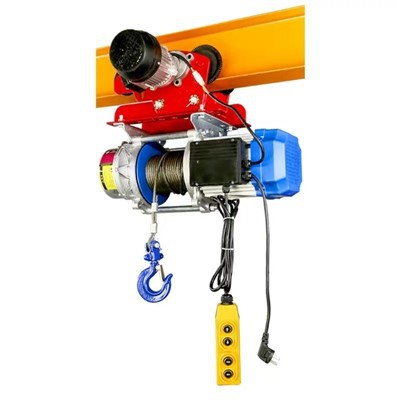
Factors to Consider
Weather Conditions
Outdoor environments are exposed to a wide range of weather conditions, including rain, snow, extreme temperatures, and high humidity. These elements can have a significant impact on the performance and longevity of a mini electric hoist.
- Moisture: Prolonged exposure to moisture can lead to corrosion of the hoist’s metal components, such as the frame, gears, and cables. This can weaken the hoist’s structure and compromise its safety. Additionally, moisture can cause electrical short circuits, which can damage the motor and control system.
- Temperature: Extreme temperatures, both hot and cold, can affect the performance of the hoist’s motor and other electrical components. High temperatures can cause the motor to overheat, reducing its efficiency and potentially leading to premature failure. Cold temperatures, on the other hand, can make the lubricants in the hoist thicker, increasing friction and reducing the hoist’s lifting capacity.
- Wind and Dust: Strong winds can cause the hoist to sway, making it difficult to control and increasing the risk of accidents. Dust and debris can also enter the hoist’s moving parts, causing wear and tear and reducing its lifespan.
Surface Conditions
The surface on which the mini electric hoist is used can also affect its performance and safety. Uneven or unstable surfaces can cause the hoist to tip over, leading to serious injuries or damage to the equipment. Additionally, rough surfaces can cause excessive wear on the hoist’s wheels or tracks, reducing its mobility and efficiency.
Load Requirements
The type and weight of the load being lifted are important factors to consider when using a mini electric hoist outdoors. Outdoor applications often involve lifting heavy or bulky loads, such as construction materials, machinery, or equipment. It’s essential to ensure that the hoist has the appropriate lifting capacity and is rated for the specific load requirements.
Safety Regulations
When using a mini electric hoist outdoors, it’s important to comply with all relevant safety regulations and standards. This includes ensuring that the hoist is properly installed, maintained, and inspected, and that operators are trained and certified to use the equipment. Additionally, it’s important to use appropriate safety equipment, such as harnesses, helmets, and safety glasses, to protect workers from potential hazards.
Advantages of Using a Mini Electric Hoist Outdoors
Portability
One of the main advantages of using a mini electric hoist outdoors is its portability. These hoists are designed to be lightweight and compact, making them easy to transport and maneuver in various outdoor settings. Whether you’re working on a construction site, a farm, or a warehouse, a mini electric hoist can be quickly and easily moved to the location where it’s needed.
Versatility
Mini electric hoists are highly versatile and can be used for a wide range of outdoor applications. They can be used to lift and move heavy objects, such as construction materials, machinery, and equipment, as well as to perform tasks such as tree trimming, boat lifting, and vehicle maintenance. With the right attachments and accessories, a mini electric hoist can be customized to meet the specific needs of your outdoor project.
Efficiency
Using a mini electric hoist outdoors can significantly improve the efficiency of your work. These hoists are designed to lift and move heavy objects quickly and easily, reducing the amount of time and effort required to complete a task. Additionally, the electric motor provides a consistent and reliable source of power, ensuring that the hoist operates smoothly and efficiently.
Safety
Mini electric hoists are equipped with a variety of safety features, such as overload protection, emergency stop buttons, and limit switches, to ensure the safety of operators and workers. These features help to prevent accidents and injuries, and provide peace of mind when using the hoist outdoors.
Limitations of Using a Mini Electric Hoist Outdoors
Weather Conditions
As mentioned earlier, weather conditions can have a significant impact on the performance and longevity of a mini electric hoist. Prolonged exposure to moisture, extreme temperatures, and high humidity can cause damage to the hoist’s components, reducing its efficiency and potentially leading to premature failure.
Surface Conditions
Uneven or unstable surfaces can cause the hoist to tip over, leading to serious injuries or damage to the equipment. Additionally, rough surfaces can cause excessive wear on the hoist’s wheels or tracks, reducing its mobility and efficiency.
Power Source
Most mini electric hoists require a power source, such as an electrical outlet or a generator, to operate. This can be a limitation when working outdoors in remote locations where a power source may not be readily available.
Lifting Capacity
While mini electric hoists are designed to be compact and lightweight, they typically have a lower lifting capacity than larger hoists. This can limit their use for lifting heavy or bulky loads, such as large machinery or equipment.
Tips for Using a Mini Electric Hoist Outdoors
Choose the Right Hoist
When selecting a mini electric hoist for outdoor use, it’s important to choose a hoist that is designed to withstand the specific environmental conditions and load requirements of your project. Look for a hoist that is made from high-quality materials, such as stainless steel or aluminum, and that is equipped with a weatherproof motor and control system.
Protect the Hoist from the Elements
To protect the hoist from the elements, it’s important to use a weatherproof cover or shelter when the hoist is not in use. This will help to prevent moisture, dust, and debris from entering the hoist’s components, reducing the risk of damage and extending its lifespan.
Maintain the Hoist Regularly
Regular maintenance is essential to ensure the safe and efficient operation of a mini electric hoist. This includes inspecting the hoist for signs of wear and tear, lubricating the moving parts, and checking the electrical connections and controls. It’s also important to follow the manufacturer’s recommended maintenance schedule and to have the hoist serviced by a qualified technician on a regular basis.
Use Appropriate Safety Equipment
When using a mini electric hoist outdoors, it’s important to use appropriate safety equipment, such as harnesses, helmets, and safety glasses, to protect workers from potential hazards. Additionally, it’s important to ensure that the hoist is properly installed and secured, and that operators are trained and certified to use the equipment.
Follow Safety Regulations
When using a mini electric hoist outdoors, it’s important to comply with all relevant safety regulations and standards. This includes ensuring that the hoist is properly installed, maintained, and inspected, and that operators are trained and certified to use the equipment. Additionally, it’s important to use appropriate safety equipment, such as harnesses, helmets, and safety glasses, to protect workers from potential hazards.
Conclusion
In conclusion, a mini electric hoist can be used outdoors, but it’s important to consider the specific environmental conditions and load requirements of your project. By choosing the right hoist, protecting it from the elements, maintaining it regularly, using appropriate safety equipment, and following safety regulations, you can ensure the safe and efficient operation of your mini electric hoist outdoors.
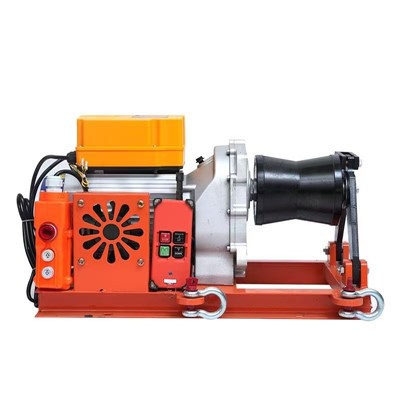
Indoor and Outdoor Winches If you’re in the market for a mini electric hoist for your outdoor project, I encourage you to contact us to learn more about our products and services. Our team of experts can help you choose the right hoist for your needs and provide you with the support and guidance you need to ensure its safe and efficient operation.
References
- ASME B30.16 – Overhead Hoists (Underhung).
- OSHA – Occupational Safety and Health Administration.
- Manufacturer’s manuals and specifications for mini electric hoists.
Hebei Hengtai Crane Machinery Manufacturing Co., Ltd.
Address: Weigezhuang Village, Donglu Township, Qingyuan District, Baoding City, Hebei Province
E-mail: hbht@cnhengtai.com
WebSite: https://www.cnhengtai.com/
