As a seasoned supplier of phenolic resin, I’ve had the privilege of witnessing its remarkable versatility and widespread applications across various industries. Phenolic resins are known for their excellent heat resistance, mechanical strength, and chemical stability. However, to enhance their performance and tailor them to specific requirements, certain additives are commonly used. In this blog post, I’ll share insights into the common additives used in phenolic resin and how they contribute to the final product’s properties. Phenolic Resin
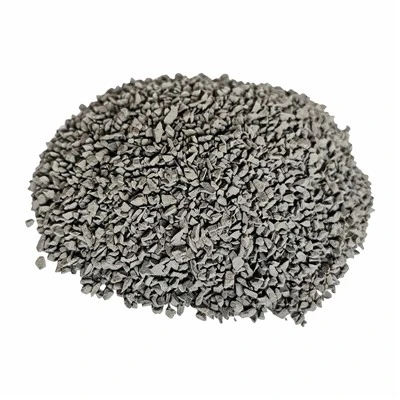
1. Fillers
Fillers are one of the most widely used additives in phenolic resin. They serve multiple purposes, including reducing costs, improving mechanical properties, and enhancing the resin’s dimensional stability. Some of the common fillers used in phenolic resin are:
Mineral Fillers
- Mica: Mica is a naturally occurring mineral that is often used as a filler in phenolic resin. It has excellent electrical insulation properties, high heat resistance, and good mechanical strength. When added to phenolic resin, mica can improve the resin’s dielectric strength, reduce shrinkage during curing, and enhance its resistance to abrasion.
- Silica: Silica is another popular mineral filler used in phenolic resin. It is available in various forms, such as quartz powder, fumed silica, and silica gel. Silica can improve the resin’s hardness, stiffness, and wear resistance. It also helps to reduce the resin’s coefficient of thermal expansion, making it more dimensionally stable at high temperatures.
- Calcium Carbonate: Calcium carbonate is a low-cost mineral filler that is commonly used in phenolic resin to reduce costs and improve the resin’s processing properties. It can also enhance the resin’s impact strength and reduce its brittleness.
Organic Fillers
- Wood Flour: Wood flour is a natural organic filler that is often used in phenolic resin applications, such as the production of molded products and laminates. It can improve the resin’s machinability, reduce its density, and give the final product a natural appearance. However, wood flour has limited heat resistance and may require additional treatment to improve its performance at high temperatures.
- Cellulose Fibers: Cellulose fibers, such as cotton and paper fibers, can be used as fillers in phenolic resin to improve its mechanical properties and reduce its cost. They can also enhance the resin’s impact strength and toughness. However, like wood flour, cellulose fibers have limited heat resistance and may require special handling to prevent degradation during processing.
2. Reinforcements
Reinforcements are additives that are used to improve the mechanical strength and stiffness of phenolic resin. They are typically fibrous materials that are embedded in the resin matrix to form a composite material. Some of the common reinforcements used in phenolic resin are:
Glass Fibers
- E-Glass Fibers: E-glass fibers are the most commonly used glass fibers in phenolic resin composites. They have good mechanical properties, high chemical resistance, and low cost. E-glass fibers can significantly improve the resin’s tensile strength, flexural strength, and impact resistance. They are widely used in applications such as automotive parts, electrical insulators, and aerospace components.
- S-Glass Fibers: S-glass fibers have higher strength and stiffness than E-glass fibers. They are more expensive but offer better performance in applications where high mechanical properties are required, such as military and aerospace applications.
Carbon Fibers
Carbon fibers are known for their high strength, high stiffness, and low weight. They are often used in high-performance applications where weight reduction and excellent mechanical properties are critical. Carbon fiber-reinforced phenolic resin composites are used in aerospace, automotive, and sports equipment industries.
Aramid Fibers
Aramid fibers, such as Kevlar, have high strength and excellent impact resistance. They are often used in applications where protection against impact and abrasion is required, such as body armor, helmets, and sporting goods.
3. Curing Agents
Curing agents are essential additives in phenolic resin systems. They initiate the curing process, which transforms the liquid resin into a solid, cross – linked polymer. The choice of curing agent depends on the type of phenolic resin and the desired curing conditions.
Hexamethylenetetramine (Hexamine)
Hexamine is the most commonly used curing agent for novolac phenolic resins. It decomposes at elevated temperatures to release formaldehyde, which reacts with the novolac resin to form a three – dimensional cross – linked structure. Hexamine is easy to handle and provides a good balance between curing speed and final product properties.
Paraformaldehyde
Paraformaldehyde can also be used as a curing agent for novolac phenolic resins. It is a solid polymer of formaldehyde that releases formaldehyde upon heating. Paraformaldehyde offers more control over the formaldehyde release rate compared to hexamine, which can be beneficial in some applications.
Organic Acids and Acidic Salts
For resole phenolic resins, curing can be achieved using organic acids or acidic salts. These additives catalyze the cross – linking reaction of the resole resin at relatively low temperatures. Commonly used catalysts include p – toluenesulfonic acid and zinc chloride.
4. Plasticizers
Plasticizers are additives that are used to improve the flexibility, toughness, and processability of phenolic resin. They work by reducing the intermolecular forces between the polymer chains, making the resin more pliable.
Phthalates
Phthalates are a class of plasticizers that have been widely used in the past. They can improve the resin’s flexibility and reduce its brittleness. However, due to concerns about their potential health and environmental impacts, the use of some phthalates has been restricted in recent years.
Epoxidized Soybean Oil (ESBO)
ESBO is a natural and environmentally friendly plasticizer that can be used in phenolic resin. It offers good plasticizing effects and also provides some degree of heat and oxidation stability. ESBO is often used in applications where environmental friendliness is a priority.
5. Flame Retardants
Phenolic resin already has good inherent flame resistance, but in some applications, additional flame retardancy is required. Flame retardants are additives that can reduce the flammability of the resin and slow down the spread of fire.
Halogenated Flame Retardants
Halogenated flame retardants, such as brominated and chlorinated compounds, have been widely used in the past due to their high efficiency in reducing flammability. However, concerns about their environmental persistence and toxicity have led to a shift towards more environmentally friendly alternatives.
Phosphorus – Based Flame Retardants
Phosphorus – based flame retardants are becoming increasingly popular as they offer good flame – retardant performance and are relatively environmentally friendly. They can act in both the gas and condensed phases to suppress the combustion process.
6. Lubricants
Lubricants are used in phenolic resin to improve the mold release properties during processing. They reduce the friction between the resin and the mold surface, making it easier to remove the molded part from the mold.
Metal Stearates
Metal stearates, such as zinc stearate and calcium stearate, are commonly used lubricants in phenolic resin. They can also act as anti – sticking agents and help to improve the surface finish of the molded parts.
Paraffin Waxes

Paraffin waxes can also be used as lubricants in phenolic resin. They provide a smooth release surface and can reduce the formation of surface defects on the molded parts.
Phenolic Resin In conclusion, the use of additives in phenolic resin is crucial for tailoring its properties to meet the specific needs of different applications. As a phenolic resin supplier, we have in – depth knowledge of these additives and can help our customers select the most suitable combination of additives for their projects. Whether you need to improve the mechanical strength, enhance the flame resistance, or optimize the processing properties of your phenolic resin, we can provide you with the right solutions. If you are interested in our phenolic resin products or have any questions about additives and their applications, please feel free to contact us. We are always ready to discuss your requirements and provide you with high – quality products and professional advice.
References
- "Handbook of Epoxy Resins" by Henry Lee and Kris Neville.
- "Plastic Additives Handbook" by Gerhard Wypych.
- "Phenolic Resins: A Century of Progress" edited by Leo F. Monico.
Zhejiang Nansu Synthetic Materials Co., Ltd.
With abundant experience, we are one of the most professional phenolic resin manufacturers and suppliers in China. Please rest assured to wholesale high quality phenolic resin in stock here and get pricelist from our factory. Customized orders are welcome.
Address: No. 7 Longquan Road, Chengdong Industrial Park, Xiangshan Economic Development Zone, Xiangshan County, Ningbo City, Zhejiang Province
E-mail: 3488693263@qq.com
WebSite: https://www.nasopf.com/
