As a seasoned supplier in the metal treatment products industry, I’ve witnessed firsthand the remarkable evolution of technologies in this field. Over the years, the advancements have not only improved the quality and performance of metal treatment but also expanded the application scope of metal products. In this blog, I’ll delve into some of the new technologies that are revolutionizing the metal treatment products sector. Metal Treatment Products

Nanocoating Technology
Nanocoating is one of the most significant breakthroughs in metal treatment. This technology involves applying a thin layer of nanomaterials onto the metal surface. Nanomaterials have unique properties due to their extremely small particle size, typically in the range of 1 to 100 nanometers.
Properties and Benefits
- Enhanced Corrosion Resistance: Nanocoatings can create a dense and uniform barrier on the metal surface, preventing corrosive agents such as moisture, oxygen, and chemicals from reaching the metal. This significantly extends the lifespan of metal products, especially in harsh environments like marine and industrial settings. For example, in the offshore oil and gas industry, nanocoated metal pipes are used to resist the corrosive effects of seawater and high – pressure chemicals.
- Improved Wear Resistance: The hard and smooth nature of nanomaterials in the coating can reduce friction and wear between the metal surface and other objects. This is particularly useful in mechanical components such as gears, bearings, and cutting tools. Nanocoated cutting tools can maintain their sharpness for a longer time, resulting in higher machining precision and efficiency.
- Self – Cleaning and Anti – Fouling Properties: Some nanocoatings have self – cleaning capabilities. They can repel dirt, water, and oil, making the metal surface easier to clean. In architectural applications, nanocoated metal facades can stay clean for longer periods, reducing maintenance costs.
Application Process
The application of nanocoatings can be achieved through various methods, including chemical vapor deposition, physical vapor deposition, and sol – gel processes. Each method has its own advantages and is suitable for different types of metal substrates and coating requirements.
Laser Surface Treatment
Laser technology has also made significant inroads into the metal treatment industry. Laser surface treatment involves using high – energy laser beams to modify the surface properties of metals.
Types and Applications
- Laser Hardening: This process is used to increase the hardness of the metal surface. By quickly heating the surface with a laser beam and then allowing it to cool rapidly, a hardened layer is formed. Laser hardening is commonly used in the automotive industry for engine components, transmission parts, and axle shafts. It improves the wear resistance and fatigue strength of these parts without affecting the overall structure of the metal.
- Laser Cladding: Laser cladding is a process of depositing a layer of filler material onto the metal surface using a laser. This can enhance the surface properties of the metal, such as corrosion resistance, wear resistance, and heat resistance. For example, in the aerospace industry, laser – clad coatings are applied to turbine blades to improve their performance and durability in high – temperature and high – stress environments.
- Laser Cleaning: Laser cleaning is an environmentally friendly alternative to traditional cleaning methods. It uses the energy of the laser to remove oxides, rust, and contaminants from the metal surface. This method is precise, non – contact, and does not produce any chemical waste. It is widely used in the restoration of historical metal artifacts and in the manufacturing of high – precision electronic components.
Advanced Heat Treatment Processes
Heat treatment is a fundamental process in metal treatment, and recent advancements have made it more precise and efficient.
Vacuum Heat Treatment
Vacuum heat treatment is a process that takes place in a vacuum environment. This eliminates the presence of oxygen and other gases, preventing oxidation and decarburization of the metal surface. As a result, the treated metal retains its original surface quality and mechanical properties. Vacuum heat treatment is commonly used in the production of high – quality metal parts for the aerospace, automotive, and tool – making industries.
Induction Heat Treatment
Induction heat treatment uses electromagnetic induction to heat the metal. It offers several advantages, including high heating speed, precise temperature control, and energy efficiency. Induction heat treatment can be used for various purposes, such as hardening, annealing, and tempering. In the manufacturing of fasteners, for example, induction heat treatment can quickly and accurately harden the surface of the screw, improving its strength and durability.
Electrochemical Surface Treatment with Smart Coatings
Electrochemical surface treatment has been around for a long time, but the development of smart coatings has added a new dimension to this technology.
Smart Coatings
Smart coatings are designed to respond to changes in their environment. For example, some smart coatings can detect the presence of corrosion and release corrosion – inhibiting agents automatically. These coatings contain microcapsules filled with inhibitors, and when the coating is damaged by corrosion, the microcapsules rupture and release the inhibitors to protect the metal surface.
Electrochemical Deposition
Electrochemical deposition is a process used to apply a metal or alloy coating onto the surface of another metal. With the integration of smart coating technology, the deposited coatings can have enhanced properties. For instance, by depositing a smart zinc – aluminum coating on steel, the steel can have better corrosion resistance and self – healing capabilities.
Plasma – Based Treatment
Plasma – based treatment is a cutting – edge technology in metal treatment. Plasma is a high – energy state of matter that can be used to modify the surface properties of metals.
Plasma Nitriding
Plasma nitriding is a process that involves introducing nitrogen into the metal surface using a plasma environment. This process can significantly improve the hardness, wear resistance, and corrosion resistance of the metal. Plasma nitriding is often used in the manufacturing of tools, molds, and automotive components.
Plasma Spraying
Plasma spraying is a method of depositing a coating onto the metal surface using a high – temperature plasma jet. The coating material is melted and accelerated by the plasma jet and then deposited onto the metal substrate. Plasma – sprayed coatings can have excellent wear resistance, heat insulation, and corrosion resistance. They are widely used in the aerospace, power generation, and automotive industries.
Conclusion
The new technologies in metal treatment products are opening up a world of possibilities for the metalworking industry. From nanocoatings that provide enhanced protection and functionality to laser – based treatments that offer precision and efficiency, these advancements are enabling manufacturers to produce higher – quality metal products with improved performance and durability.
As a supplier of metal treatment products, I’m excited about the opportunities these new technologies bring. We are committed to staying at the forefront of innovation, offering our customers the latest and most effective metal treatment solutions. Whether you’re in the automotive, aerospace, construction, or any other industry that relies on metal products, our advanced metal treatment technologies can help you achieve your goals.
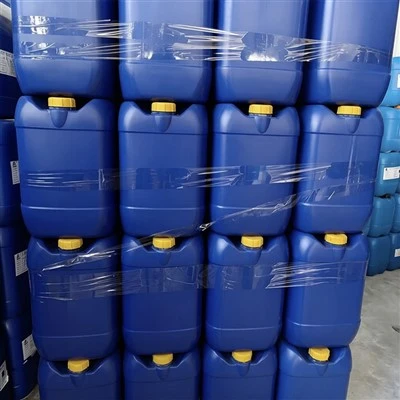
If you’re interested in learning more about our metal treatment products and how these new technologies can benefit your business, I encourage you to reach out to us. We’d be more than happy to discuss your specific needs and provide you with customized solutions. Let’s work together to take your metal products to the next level.
References
Woodworking Adhesives -ASM Handbook Volume 5: Surface Engineering. ASM International.
-Schmidt, M., & Hesse, D. (Eds.). (2019). Laser Material Processing. Springer.
-Troczynski, T. (2013). Physical Metallurgy and Advanced Materials. CRC Press.
Winsir Decoration Materials Co., Ltd.
With abundant experience, we are one of the most professional metal treatment products manufacturers and suppliers in China. Please feel free to wholesale bulk metal treatment products in stock here from our factory. Good service and quality products are available.
Address: Zhonghe Village Industrial Zone, Duruan Town, Pengjiang District, Jiangmen City
E-mail: service@winsir.com.cn
WebSite: https://www.winsir-intl.com/
