As a supplier of water cooled condensers, I’ve encountered numerous inquiries regarding the optimal water temperature range for these vital components in various industrial and commercial cooling systems. Understanding this temperature range is crucial for ensuring the efficient operation, longevity, and cost – effectiveness of water cooled condensers. Water Cooled Condenser
The Basics of Water Cooled Condensers
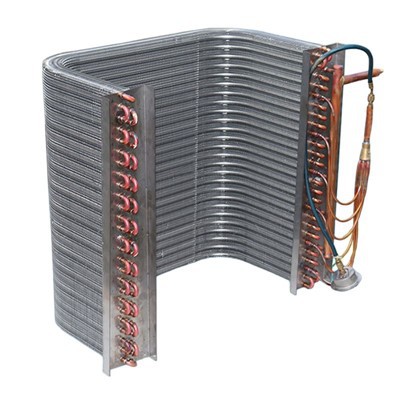
Before delving into the water temperature range, it’s essential to understand how a water cooled condenser works. A water cooled condenser is a heat exchanger that removes heat from the refrigerant vapor in a refrigeration or air – conditioning system. The refrigerant releases heat as it condenses from a vapor to a liquid state, and this heat is transferred to the cooling water flowing through the condenser. The cooled refrigerant then continues its cycle in the system, while the heated water is typically discharged or recycled.
Ideal Water Temperature Range
The ideal water temperature range for a water cooled condenser generally falls between 65°F (18.3°C) and 95°F (35°C). This range is determined by several factors related to the performance and reliability of the condenser and the overall refrigeration or air – conditioning system.
At the Lower End of the Range
Starting with the lower end of the range (around 65°F or 18.3°C), cooler water provides more efficient heat transfer. When the cooling water is at a lower temperature, there is a greater temperature difference between the refrigerant vapor and the water. This increased temperature gradient enhances the rate of heat exchange according to Fourier’s law of heat conduction, which states that the rate of heat transfer through a material is proportional to the temperature difference across it. As a result, the refrigerant can condense more quickly and the system can operate more efficiently, consuming less energy.
However, extremely cold water can also pose problems. If the water temperature is too low, it may cause the refrigerant to condense too rapidly, leading to a significant drop in the refrigerant pressure. This can disrupt the normal operation of the expansion valve in the refrigeration system, which relies on a specific pressure difference to regulate the flow of refrigerant into the evaporator. Additionally, very cold water can cause the condenser tubes to contract, potentially leading to leaks or other mechanical failures over time.
At the Upper End of the Range
On the other hand, the upper limit of the water temperature range (around 95°F or 35°C) is set to prevent the system from overheating. As the water temperature rises, the temperature difference between the refrigerant and the water decreases, reducing the efficiency of heat transfer. When the heat transfer rate is reduced, the condenser has to work harder to remove the same amount of heat from the refrigerant. This can lead to an increase in the condensing pressure and temperature of the refrigerant, which in turn causes the compressor to consume more energy to maintain the desired cooling capacity.
Moreover, high – temperature water can accelerate the corrosion of the condenser tubes. Water that is too warm can promote the growth of microorganisms such as algae and bacteria, which can form biofilms on the tube surfaces. These biofilms act as insulators, further reducing the heat transfer efficiency and potentially clogging the water passages. In extreme cases, if the water temperature exceeds the upper limit for an extended period, it can cause the compressor to overheat and shut down, leading to system failures and costly repairs.
Factors Affecting the Optimal Temperature Range
Several factors can influence the actual water temperature range required for a specific water cooled condenser application.
System Design
The design of the condenser itself plays a significant role. Condensers with larger surface areas or more efficient heat transfer geometries can tolerate slightly higher water temperatures while still maintaining good performance. For example, a shell – and – tube condenser with a large number of tubes arranged in a specific pattern can provide more contact area between the refrigerant and the water, enhancing heat transfer even if the water temperature is relatively high.
Ambient Conditions
The ambient temperature and humidity can also impact the water temperature range. In hot and humid climates, it may be more challenging to maintain the water temperature within the ideal range. Cooling towers, which are commonly used to cool the water in water cooled condenser systems, may be less effective in such conditions due to the reduced temperature difference between the ambient air and the water. As a result, additional cooling measures or larger cooling towers may be required.
Refrigerant Type
Different refrigerants have different condensation temperatures and pressure – temperature relationships. For instance, older refrigerants like R – 22 have different operating characteristics compared to newer, more environmentally friendly refrigerants such as R – 410A. The choice of refrigerant can affect the optimal water temperature range for the condenser, as the refrigerant’s properties determine the temperature and pressure at which it condenses.
Maintaining the Right Water Temperature
To ensure that the water cooled condenser operates within the optimal water temperature range, several strategies can be employed.
Cooling Tower Management
Cooling towers are a cornerstone of water temperature control in water cooled condenser systems. Regular maintenance of cooling towers is essential to ensure their efficient operation. This includes cleaning the fill media to prevent clogging, checking and adjusting the water flow rates and the air intake, and monitoring the water chemistry to prevent the growth of harmful microorganisms.
Water Recycling and Chilling
In some cases, it may be necessary to recycle the cooling water and use additional chilling equipment to maintain the desired temperature. This can be particularly useful in industrial applications where large amounts of heat need to be removed and the ambient conditions make it difficult to rely solely on natural cooling methods.
Temperature Monitoring and Control Systems
Installing accurate temperature monitoring and control systems is crucial. These systems can continuously measure the water temperature at the inlet and outlet of the condenser and adjust the operation of the cooling equipment accordingly. For example, if the water temperature is approaching the upper limit, the control system can increase the flow rate of the cooling water or activate additional cooling capacity in the cooling tower.
Conclusion
In summary, the water temperature range for a water cooled condenser is a critical factor that directly affects the performance, energy efficiency, and lifespan of the entire refrigeration or air – conditioning system. While the general range of 65°F (18.3°C) to 95°F (35°C) provides a good starting point, it’s essential to consider the specific design of the condenser, the ambient conditions, and the type of refrigerant used when determining the optimal temperature range for a particular application.
As a supplier of water cooled condensers, our team of experts is well – versed in helping you navigate these complexities. We offer a wide range of high – quality water cooled condensers designed to meet various temperature requirements and operating conditions. Whether you’re in the process of upgrading an existing system or installing a new one, we can provide you with the right solutions and technical support to ensure optimal performance.
Finned Tube If you’re interested in learning more about our water cooled condensers or need assistance in determining the best water temperature range for your specific application, we encourage you to reach out to us. Our dedicated sales team is ready to engage in a detailed discussion and help you make an informed decision. Contact us today to start the conversation about how our products can enhance your cooling system’s efficiency and reliability.
References
- ASHRAE Handbook – HVAC Systems and Equipment. American Society of Heating, Refrigerating and Air – Conditioning Engineers.
- Incropera, F. P., & DeWitt, D. P. (2002). Fundamentals of Heat and Mass Transfer. John Wiley & Sons.
- Refrigeration and Air – Conditioning Technology. Eugene Silberstein, Andrew D. Althouse, Carl H. Turnquist. Pearson Education.
Xiangshui Derkang Refrigeration Equipment Co., Ltd.
Address: No. 2, Xiaojian Town Entrepreneurship Park, Xiangshui County
E-mail: 505745223@qq.com
WebSite: https://www.xsderk.com/
