If you’ve ever stood in a commercial construction site, a residential renovation, or even a small residential drywall project, you’ve probably glanced up at the smooth ceiling panels or ran your hand along the seam between two drywall sheets. What you might not have noticed is the unassuming workhorse holding all that in place: the metal profiles that form the ceiling grid and the stud and track framework for drywall. As someone who’s been supplying these components for over a decade, I get a lot of questions from contractors, project managers, and even do-it-yourselfers about the lifespan of these products—and, more and more often, what happens to them when a project wraps up or a building is demoed. The question I hear most lately is this: can ceiling and drywall metal profiles be recycled? Ceiling and Drywall Metal Profile
It’s a fair question. Construction and demolition waste makes up roughly 30% of all municipal solid waste in the United States, according to the Environmental Protection Agency (EPA), and metal is one of the few materials that retains its value indefinitely through recycling. But when it comes to our specific products—those thin, often galvanized steel or aluminum profiles that are precision-cut, punched, and formed to exact specifications—I know there’s a lot of confusion. Some people assume because they’re small, or mixed with other construction debris, they can’t be processed. Others write them off as too light or too coated to be worth recycling. After working with metal profiles through hundreds of projects, both new builds and renovations, I’m here to break this down clearly, based on real-world experience, not just industry jargon.
First, let’s get one basic fact straight: ceiling and drywall metal profiles are made almost exclusively from ferrous (steel) or non-ferrous (aluminum) metals, both of which are highly recyclable materials. Steel, which makes up about 90% of all metal used in construction, is 100% recyclable, and recycling it saves an average of 75% of the energy needed to produce new steel from raw iron ore. Aluminum, often used for lightweight ceiling grids where weight is a concern, is even more efficient to recycle—recycling aluminum uses 95% less energy than making new aluminum from bauxite ore. That means the core material of our profiles is inherently recyclable; the barrier isn’t the metal itself, but how the profiles are handled at the end of their life.
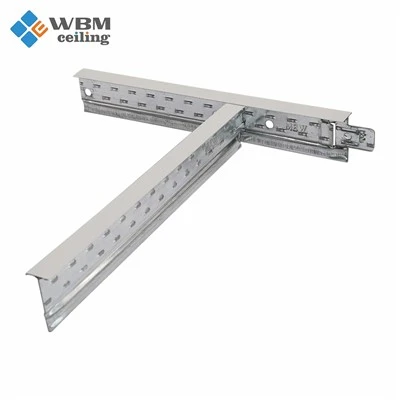
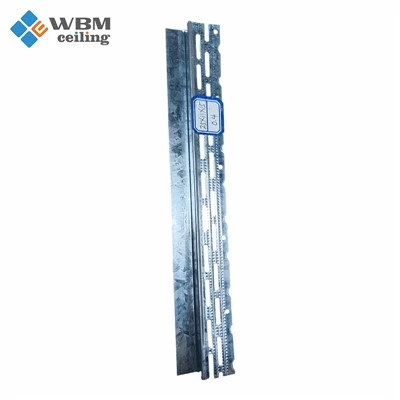
Let’s talk about what our profiles are, exactly, to understand why they’re perfect for recycling. A standard ceiling metal profile might be a 20-gauge galvanized steel furring channel, a T-bar for a drop ceiling, or a main runner. Drywall profiles are usually stud and track: the vertical studs that run 8 or 10 feet, and the horizontal track that holds them in place, both also galvanized for rust resistance. These are all thin, but strong, pre-cut to exact lengths, and coated or finished to meet building codes. The galvanized coating is zinc, which is fused to the steel surface during manufacturing, not just painted on. That’s important because zinc is also recyclable, and modern metal recycling facilities are equipped to separate and process zinc coatings without contaminating the steel or aluminum they’re bonded to.
In my 12 years as a supplier, I’ve seen firsthand that the biggest challenge to recycling these profiles isn’t the material—it’s how they’re removed from a site and sorted. For example, on a residential renovation, a contractor might tear out old drywall and toss the studs right into a mixed debris bin with wood, drywall scraps, insulation, and old nails. That mixed bin might get hauled to a landfill, or even to a transfer station that doesn’t have a construction metal sorting process. But when we work with larger commercial clients, we always emphasize a simple rule: separate the metal profiles from the rest of the debris at the demo stage. That’s where it all changes.
I remember a project we did for a 5-year-old office building that was being retrofitted for co-working space. The original drop ceiling grid and drywall walls were being removed, and the general contractor on the job made a point to set aside all the old T-bars, main runners, and studs in a dedicated bin, right along with old ductwork and light fixtures. They hired a local metal recycling processor that specializes in construction waste, and when the load was weighed, it came out to over 12 tons of metal profiles alone. That load didn’t go to a landfill—it was hauled to a steel mill, melted down, and turned into new steel for a bridge project a year later. The contractor got a small credit for the metal, the city saved on landfill fees, and the metal stayed in circulation instead of sitting in a hole in the ground. That’s the success story that makes all the difference.
Another common question I get: what if the profiles are damaged, or have paint or sealant on them? Let’s be honest, most drywall profiles have drywall dust on them, and sometimes they get scratched or have small amounts of paint from a renovation. Even some ceiling grid profiles might have old acoustic ceiling panel adhesive residue. The good news is that modern construction metal recycling facilities are designed to handle that. Steel and aluminum are magnetic, so they can be separated from wood, plastic, and drywall using eddy current separators and magnets—machines that sort ferrous and non-ferrous metals from other debris automatically. The small amounts of paint or dust don’t matter; when the metal is melted, those contaminants burn off or are filtered out before the new metal is formed. I’ve seen profiles that were pulled from a 30-year-old apartment building, covered in old paint and plaster, processed into new studs just like the ones we supply today.
Aluminum ceiling profiles are even easier to recycle, actually. Since aluminum is non-magnetic, it’s sorted separately from steel in most recycling facilities, and it has a higher value per pound, so processors are more likely to actively seek out aluminum scrap. We supplied profiles for a hospital renovation a couple years ago that used aluminum T-bars for their sterile drop ceilings. The project manager told me after the project that they were working with a local recycler that paid them $0.18 per pound for the old aluminum, which covered the cost of hauling the scrap away and even gave the project a small rebate. That’s a huge win—instead of the project paying $500 to dump the metal, they got $320 back. It’s a minor detail, but it shows that the financial incentive is there, too, if you sort the metal properly.
Now, I want to be realistic here. Not every scrap of metal profile is perfectly recyclable, and there are edge cases. For example, if a profile is rusted so badly that it’s disintegrating when you touch it, it’s probably too degraded to be processed into new building material, but it can still be recycled into other steel products, like rebar or automotive parts. If it’s been mixed with hazardous material—say, if a building had lead-based paint and the profiles were not properly tested before demo— that would be a problem, but that’s a rare case in modern construction, and most regulations require testing before any demo involving metal materials.
Another point that’s often overlooked: when we manufacture these profiles, they’re produced to be reusable, not disposable. We use 98% recycled steel in our galvanized profiles, actually—we source most of our raw material from scrap steel yards, not virgin iron ore. That means the cycle is already in motion before a profile even reaches a job site. We’re not mining new metal to make these parts; we’re taking old metal, refining it, and shaping it into something that will later be turned back into something new. That’s a circular economy in action, and it’s exactly why these profiles are so well-suited for recycling.
I’ve also seen the cost of getting this right go down a lot over the years. Ten years ago, most small construction companies didn’t have easy access to construction-specific metal recyclers—they might have had to haul metal scrap 50 miles to a processor, which wasn’t worth the time or fuel. Now, in most major metropolitan areas, there are local scrap yards that cater exclusively to construction and demolition waste, and many cities offer free or low-cost drop-off days for construction metal scrap. Even some hardware stores have started taking old metal building materials from do-it-yourselfers, which makes it easier for smaller projects to participate.
Of course, there’s still work to do. I’ve heard of contractors throwing out perfectly good metal profiles because they think the only way to recycle them is to take them to a fancy industrial facility, or because they don’t want to spend an extra 10 minutes sorting them from drywall scraps. That’s why we make a point to educate every customer, big or small, about how to properly handle their old profiles at the end of a project. We print simple sorting instructions on every delivery slip we send, we host free workshops for local contractors about construction waste reduction, and we even offer discounted scrap pickup for our regular commercial clients. It’s not just about selling new profiles—it’s about making sure the ones we sell have a second, third, or even fourth life after they’re installed.
Let me circle back to the original question: can ceiling and drywall metal profiles be recycled? The short answer is a resounding yes. The material is designed to be recycled, the technology to process it exists, and when sorted properly, it’s a valuable commodity for scrap yards, steel mills, and aluminum refineries. The only real barriers are the misconceptions I mentioned earlier— the belief that mixed scrap can’t be processed, that painted profiles are too contaminated, or that it’s not worth the effort.
If you’re a contractor or project manager, here’s what I’ll tell you from decades in the industry: take 10 extra minutes at the end of a job, separate your old metal profiles from the drywall, wood, and insulation, and drop them off at a local scrap yard that handles construction metal. Not only are you keeping usable material out of landfills, you’re saving money on landfill fees and possibly getting a small credit for the scrap. If you’re a property owner planning a renovation or demo, ask your contractor what their process is for recycling metal construction materials. If they don’t have one, share this post— or reach out to us, and we’ll be happy to connect you with trusted local recyclers and walk you through the steps.
At the end of the day, construction is all about building something that lasts. But lasting doesn’t mean it has to end up in a landfill. Metal profiles, the quiet backbone of every ceiling and every wall we build, are one of the easiest, most impactful materials to recycle. They don’t wear out, they don’t lose their value, and every time one is melted down and turned into something new, we’re saving energy, reducing demand for raw materials, and keeping waste out of our planet. It’s not just good for your bottom line—it’s good for the projects we build today, and the ones we’ll build long after we’re done with this one.
If you’re working on a project that requires ceiling and drywall metal profiles, or if you’re looking for guidance on sourcing these materials with recyclability in mind, don’t hesitate to reach out to our team. We specialize in custom profiles, bulk orders, and waste reduction solutions for construction projects of all sizes, and we can help you choose the right materials and processes to keep your project as sustainable as possible.
Ceiling and Drywall Metal Profile References
- U.S. Environmental Protection Agency. (2022). Construction and Demolition Debris Management in the United States. EPA Office of Resource Conservation and Recovery.
- World Steel Association. (2023). Steel Recycling Facts and Figures. World Steel in Figures Report.
- Aluminum Association. (2024). Aluminum Recycling and Circular Economy Benefits. Annual Industry Sustainability Report.
- Construction Metal Recycling Association. (2023). Best Practices for Sorting and Processing Construction Metal Scrap. Industry Technical Bulletin.
- National Association of Home Builders. (2022). Sustainable Renovation Guide for Residential Construction. NAHB Research Center.
Langfang Weikaihua Building Material Co., Ltd.
Langfang Weikaihua Building Material Co., Ltd. is one of the most professional ceiling and drywall metal profile manufacturers and suppliers in China, featured by quality products and low price. Please rest assured to buy discount ceiling and drywall metal profile from our factory. Contact us for customized service and free sample.
Address: Peng Er Wan Villiage, Zhao Ge Zhuang Town, Wen’an County, Langfang City, Hebei Province, China
E-mail: joyce@wbm.cc
WebSite: https://www.wbmceiling.com/
