What is the difference between manual and automatic soap making machines?
As a supplier of soap making machines, I’ve had the privilege of witnessing firsthand the diverse needs and preferences of our customers. One of the most common questions I encounter is about the difference between manual and automatic soap making machines. In this blog post, I’ll delve into the key distinctions between these two types of machines, their respective advantages and disadvantages, and help you determine which one might be the best fit for your soap making business. Soap Making Machine

1. Operation Process
The most obvious difference between manual and automatic soap making machines lies in their operation processes.
Manual Soap Making Machines
Manual soap making machines require a significant amount of hands – on involvement from the operator. Every step of the soap – making process, from mixing the raw materials to pouring the soap into molds, is carried out manually. For example, when using a manual machine, the operator has to measure the exact amount of oils, lye, and other additives, and then mix them together by hand or with the help of simple tools attached to the machine. This process demands a high level of skill and experience to ensure the right chemical reactions occur and the soap turns out well.
Automatic Soap Making Machines
On the other hand, automatic soap making machines are designed to automate most, if not all, of the soap – making process. These machines are equipped with advanced sensors and control systems that can accurately measure and mix the raw materials in the right proportions. Once the operator sets the parameters such as the type of soap, quantity, and other specific requirements, the machine takes over. It will heat the oils, mix them with lye, and pour the mixture into molds without much further human intervention.
2. Production Capacity
Production capacity is another crucial factor that differentiates manual and automatic soap making machines.
Manual Soap Making Machines
Manual machines are generally suitable for small – scale production. Since the process is labor – intensive, the amount of soap that can be produced in a given time is limited. For instance, a typical manual machine might be able to produce a few dozen bars of soap per day, depending on the complexity of the soap recipe and the skill of the operator. These machines are ideal for artisanal soap makers who focus on creating high – quality, handmade soaps in limited quantities.
Automatic Soap Making Machines
Automatic machines, however, are built for high – volume production. They can produce hundreds or even thousands of bars of soap per day, depending on their size and configuration. This makes them a great choice for large – scale soap manufacturing companies that need to meet the demands of a wide market. The automation of the process allows for a more consistent and efficient production, reducing the time and labor required to produce a large quantity of soap.
3. Product Consistency
The consistency of the final product is also affected by the type of machine used.
Manual Soap Making Machines
With manual machines, there is a greater chance of variation in the final product. Since the process is highly dependent on the operator’s skills and judgment, factors such as the mixing time, temperature control, and pouring technique can vary from batch to batch. This can result in differences in the appearance, texture, and quality of the soap. However, some soap makers actually prefer this variability as it gives their products a unique, handmade touch.
Automatic Soap Making Machines
Automatic machines offer a high level of product consistency. The precise control systems ensure that each batch of soap is made under the same conditions, resulting in soaps that are uniform in size, shape, and quality. This is particularly important for commercial soap makers who need to maintain a consistent brand image and meet the expectations of their customers.
4. Cost
Cost is an important consideration for any business, and the type of soap making machine you choose can have a significant impact on your budget.
Manual Soap Making Machines
Manual machines are generally more affordable upfront. They are simpler in design and do not require the advanced technology and components found in automatic machines. This makes them a cost – effective option for small businesses or individuals who are just starting out in the soap – making industry. However, it’s important to note that the labor cost associated with manual production can be relatively high in the long run, especially if you plan to increase your production volume.
Automatic Soap Making Machines
Automatic machines are more expensive to purchase initially. The advanced technology, sensors, and control systems that make them highly efficient and productive come at a price. However, they can lead to significant cost savings in the long term. By automating the production process, they reduce the need for manual labor, which can lower labor costs. Additionally, the higher production capacity can lead to economies of scale, reducing the cost per unit of soap produced.
5. Maintenance and Training
Both manual and automatic soap making machines require maintenance and training, but the requirements differ.
Manual Soap Making Machines
Manual machines are relatively easy to maintain. They have fewer components and are less complex in design, which means that maintenance tasks such as cleaning, lubrication, and simple repairs can be carried out by the operator with basic mechanical skills. Training for manual machines is also relatively straightforward. Since the process is more hands – on, operators can learn by doing, and there are many resources available online and in books to guide them through the soap – making process.
Automatic Soap Making Machines
Automatic machines require more specialized maintenance. The advanced technology and components in these machines need to be regularly inspected, calibrated, and serviced by trained technicians. This can add to the overall cost of ownership. Training for automatic machines is also more extensive. Operators need to understand how to use the control systems, set the parameters, and troubleshoot any issues that may arise. This often requires formal training provided by the machine manufacturer or a professional training institution.
Which One Should You Choose?
The choice between a manual and an automatic soap making machine depends on several factors. If you are a small – scale artisanal soap maker who values the handmade touch and has limited production needs, a manual machine might be the best option for you. It allows you to have full control over the soap – making process and create unique, high – quality soaps.
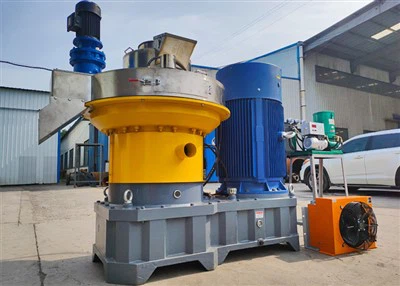
On the other hand, if you are a large – scale commercial soap manufacturer with high production demands and a need for consistent product quality, an automatic machine is likely the better choice. It can help you increase your production capacity, reduce labor costs, and maintain a consistent brand image.
Biofuel Pellet Line As a soap making machine supplier, I’m here to help you make the right decision. Whether you’re just starting out or looking to upgrade your existing equipment, I can provide you with detailed information about our range of manual and automatic soap making machines. If you’re interested in learning more about our products or discussing your specific requirements, please feel free to reach out to us. We’re eager to assist you in finding the perfect soap making machine for your business.
References
- "Soap Making: A Comprehensive Guide" by Jane Smith
- "The Art and Science of Soap Production" by John Doe
- Industry reports on soap making machinery from various research firms.
Zhengzhou Fanda Machinery Co., Ltd.
Zhengzhou Fanda Machinery Co., Ltd. is one of the most professional soap making machine manufacturers and suppliers in China. Feel free to buy cheap soap making machine for sale from our factory and check the price with us.
Address: Zhisi Road, Zhongyuan District, Zhengzhou, Henan, China.
E-mail: vincenthan@fandamachinery.com
WebSite: https://www.fandapelletmill.com/
